Western Australia, the Other Great Hub of Australian Wine
Immense and fragmented, Western Australia brings together some of the country’s most consistent maritime climates. Its regions produce taut whites, precise reds, and sharply defined styles.
geoVINUM · 2026-11-04
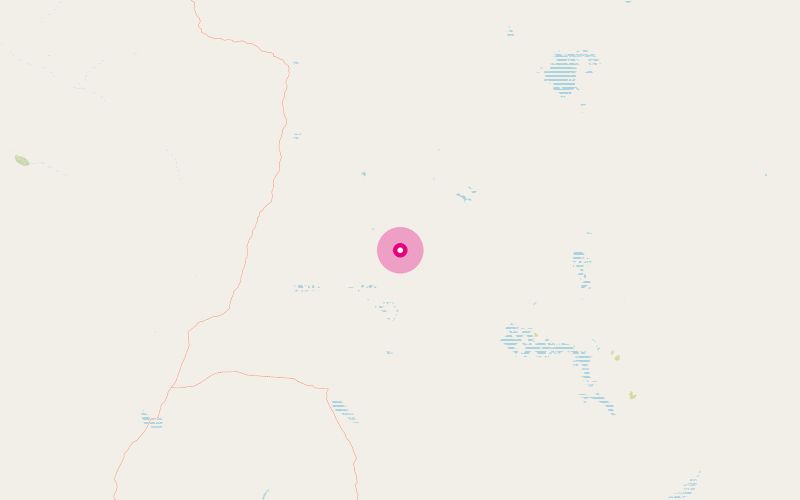
## Western Australia at a glance Western Australia is Australia’s largest state and also a recognized geographical indication within the Australian GI system. The wine industry, however, is concentrated in the state’s southwestern half, where the major regions are located, including Margaret River, Great Southern, Swan District, Pemberton, Manjimup, Geographe, Blackwood Valley, and Peel. Production spans all three colors, with a particular reputation for Chardonnay, Cabernet Sauvignon, temperate-climate Shiraz, and, in certain areas, Riesling. On a national scale, Western Australia accounts for less volume than South Australia, but it holds a central place in the premium segment thanks to its consistent wines shaped by oceanic influence.
The administrative geography can be confusing, because “Western Australia” refers both to the state and to the overarching GI. In the hierarchy of Australian geographical indications, this GI covers several officially delimited regions and sub-regions. Viticulture here has a long history by Australian standards, with plantings dating back to the 19th century in the Swan Valley, near Perth. The state’s contemporary prestige, however, rests above all on the rise of Margaret River from the second half of the 20th century onward, followed by the recognition of the cool southern regions.
## Terroir and geology The Western Australian vineyard is not a homogeneous block; rather, it brings together landscapes, elevations, and substrates that are highly distinct. Margaret River rests largely on sandy-loam or sandy soils over deeper gravelly horizons, often enriched with laterite, with good drainage capacity. In Great Southern, one of the country’s largest regions, vineyards are rooted in very ancient materials derived from Precambrian bedrock, with granites, gneiss, schists, gravels, and sands depending on the area. The Swan Valley, warmer and lower-lying, features alluvial, sandy, or sandy-clay soils derived from the river systems that cross the coastal plain.
This geological antiquity is an important trait of Western Australia. Western Australia contains some of the oldest geological landscapes in the world, and vineyard soils are generally highly weathered, low in organic matter, and moderately fertile. For vines, this poverty is often an advantage, because it naturally limits vigor and promotes steady ripening when sufficient water is available. The best sites are often those that combine effective drainage, reasonable rooting depth, and limited excess fertility.
Topography also plays a clear role in the expression of the wines. Great Southern includes five sub-regions with contrasting profiles — Frankland River, Mount Barker, Porongurup, Albany, and Denmark — where altitude, exposure, and distance from the ocean strongly shape styles. Pemberton and Manjimup, more wooded and wetter, produce slow ripening on rolling terrain. Geographe and Blackwood Valley serve as transition zones between very direct maritime influences and slightly warmer inland conditions.
## Climate The major climatic factor in Western Australia is maritime influence. The winegrowing southwest is framed by the Indian Ocean to the west and the Southern Ocean to the south, which tempers heat extremes and often extends the ripening season. This moderation clearly distinguishes the state’s best areas from other, more continental Australian regions, where heat and water stress can accelerate harvest. In premium sectors, temperature swings generally remain moderate and heatwaves are less frequent than inland.
Margaret River offers a classic example of a Mediterranean climate with a strong maritime imprint. Winters are wet, summers relatively dry, and summer heat pressure is often lower than in many Australian regions. This regularity explains the region’s consistent quality, especially for Chardonnay and Cabernet Sauvignon, which reach full physiological ripeness without losing acidity too quickly. Winds can reduce disease risk, but proximity to the ocean also requires vigilance on the most exposed sites.
Great Southern follows a cooler pattern with stronger contrasts between sub-regions. Porongurup and Mount Barker are well suited to aromatic varieties and taut styles; Frankland River, a little more continental, succeeds with structured reds and incisive Rieslings. Albany and Denmark receive a more direct oceanic influence, with sometimes longer seasons and slower ripening. Swan District, by contrast, has a clearly warmer climate, suited to more generous styles and to a historically important tradition of fortified wines.
Climate change naturally affects the state, but Western Australia retains a relative advantage linked to the marine proximity of its flagship regions. The cool southern zones are drawing attention for their ability to produce balanced wines despite rising average temperatures. Water availability, canopy management, and rootstock selection are becoming increasingly important. In the most temperate regions, the challenge is not only to preserve acidity, but also to maintain precise aromatic profiles and moderate alcohol levels.
## Grape varieties Western Australia’s most emblematic trio consists of Chardonnay, Cabernet Sauvignon, and Shiraz. Chardonnay dominates in several premium regions, especially in Margaret River, where it produces wines of tension, texture, and precision. Cabernet Sauvignon also expresses itself there with a consistent signature: clear black fruit, firm but rarely austere structure, and often restrained oak aging. Shiraz, depending on origin, ranges from a peppery, fresh register in the south to a riper style in warmer zones.
Riesling holds an important place in Great Southern, especially in Frankland River, Mount Barker, and Porongurup. There it produces wines with marked acidity, lemony or floral fruit, sometimes capable of developing notes of wax, stone, and light petrol over time. Sauvignon Blanc and Sémillon are often paired in blends, especially in Margaret River, in a tradition inspired by Bordeaux but adapted to a brighter Australian context. Chenin Blanc remains a heritage variety of the Swan Valley, where it can produce simple dry whites or more concentrated versions.
Among the complementary varieties, Pinot Noir, Merlot, Malbec, Cabernet Franc, Verdelho, and sometimes Tempranillo or Grenache also appear depending on the area. Blending rules in Australia are governed mainly by national labeling regulations rather than by a European-style specification. To claim a grape variety on the label, general practice requires that a large majority of the wine come from it; the same principle applies to declaring a vintage or a geographical origin. This flexibility gives producers significant room to adjust blends to the desired style.
## Wine styles Dry whites are among the most convincing expressions of Western Australia. Margaret River Chardonnay can combine citrus and white peach fruit, hazelnut notes, precise use of oak, and a chalky or saline texture depending on site and élevage. The most ambitious versions often ferment in barrel, with measured bâtonnage and lees aging, without seeking overripeness. The best examples gain complexity over several years and can age well.
Great Southern Riesling follows a different stylistic logic. It is generally vinified in tank or neutral vessels to preserve aromatic clarity, acidic tension, and varietal purity. Young, it suggests lemon, zest, white flowers, and sometimes talc; with age, it develops more complex nuances while retaining a strong acidic line. These are often ageworthy wines that remain underestimated outside Australia.
On the red side, Margaret River Cabernet Sauvignon is a national reference point. It generally shows fine tannins, well-defined cassis or blackberry fruit, notes of leaf, cedar, and sometimes dried seaweed or graphite linked to the maritime context. Blending with Merlot, Cabernet Franc, Malbec, or Petit Verdot is not uncommon, in an openly Bordeaux-minded spirit but rarely a copied one. The best wines evolve gracefully over ten years and more.
Shiraz shows a broader range depending on origin. In the cool southern zones, it can offer pepper, violet, fresh dark fruit, and an elongated structure; in warmer sites, it gains volume and richness. The Swan Valley also maintains a tradition of fortified wines and oxidative or muté styles, now more confidential but historically important. Rosés exist in all regions, often dry and technically made, without forming the core of regional identity.
## Producers to watch - Vasse Felix — A pioneering Margaret River estate, recognized for Cabernet Sauvignon and Chardonnay in a consistent, precise style. - Cullen Wines — A Margaret River benchmark, attentive to organic and biodynamic viticulture, with cuvées of great aging potential. - Leeuwin Estate — A major Margaret River producer, particularly known for its high-level Chardonnays and structured reds. - Moss Wood — A historic Margaret River name, reputed for its detailed Cabernets and long-term consistency. - Howard Park — An important player working in both Margaret River and Great Southern, useful for comparing regional expressions within the same house. - Plantagenet — An iconic Great Southern estate, long associated with Rieslings and structured reds from Mount Barker.
## Food and wine pairings - Margaret River Chardonnay with grilled lobster and lemon butter: the wine’s texture matches the flesh of the shellfish without overwhelming its finesse. - Great Southern Riesling with amberjack sashimi: the straight acidity and citrus aromas support the purity of the raw fish. - Margaret River Cabernet Sauvignon with a rack of lamb and herbs: the tannins and cedar notes pair well with the meat’s slightly sanguine flavor. - Cool-climate Great Southern Shiraz with roasted duck breast: the dark fruit and pepper extend the dish’s density without excessive heaviness. - Swan Valley Chenin Blanc with moderately spicy Thai cuisine: the wine’s fruit and suppleness can cushion the spices while retaining definition. - Sauvignon Blanc-Sémillon blend with fresh goat cheese: the herbal, citrusy tension creates a simple, clean, and effective pairing.
## FAQ ### Is Western Australia a region or a group of regions? Both formulations are true depending on the level of analysis. It is an overarching geographical indication that covers several officially recognized wine regions within the state.
### What is the best-known region in Western Australia? Margaret River is the most famous on international markets. Its reputation rests mainly on Chardonnay and Cabernet Sauvignon, with remarkable consistency in quality.
### Which white wines should be prioritized in this state? Margaret River Chardonnay and Great Southern Riesling are the main benchmarks. Sauvignon Blanc-Sémillon blends can also be highly convincing in a more vibrant and immediate register.
### Are Western Australia wines very oaky? Not necessarily. The best producers often use oak as a tool for texture and oxygenation, without seeking to mask the fruit or the effect of site.
### Which wines can age for a long time? The best Margaret River Cabernet Sauvignon and some high-end Chardonnays age very well. The most serious Great Southern Rieslings also gain complexity after several years in bottle.