Wairarapa, the southern home of New Zealand pinot noir
East of Wellington, Wairarapa brings together several cool, dry sub-regions dominated by pinot noir. Martinborough is its most established name, alongside Gladstone and Masterton.
geoVINUM · 2026-11-04
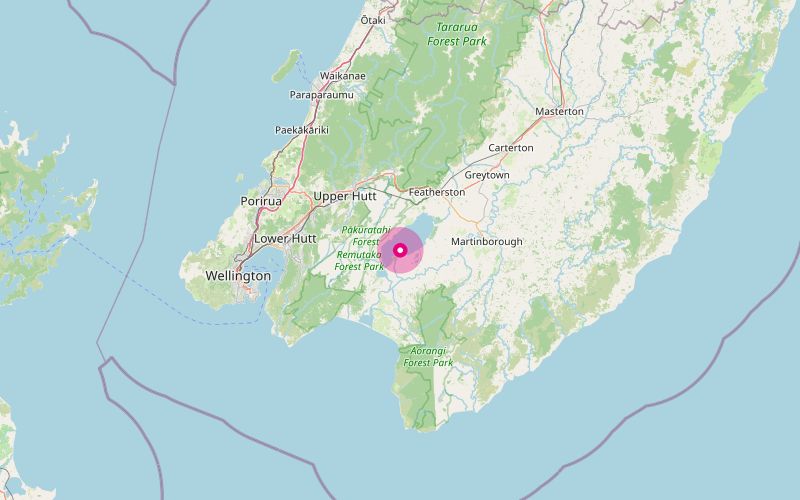
## Wairarapa at a glance Wairarapa is a wine region at the southern tip of New Zealand’s North Island, east of Wellington. In the official framework of New Zealand geographical indications, Wairarapa has been recognized as a geographical indication since 2017, and notably includes the sub-regions of Martinborough, Gladstone, and Masterton. Production remains modest on a national scale, with a strong predominance of still wines made from pinot noir, followed by sauvignon blanc, pinot gris, chardonnay, and syrah. In everyday market usage, Martinborough is often more visible than Wairarapa itself, but the regional framework helps explain the climatic and geological coherence of this southern ensemble.
## Terroir and geology The Wairarapa vineyard stretches through a valley shaped by tectonic activity and by the alluvial deposits of rivers, particularly around the gravelly terraces that favored the establishment of vine growing. The Martinborough sector, the most renowned, lies largely on ancient terraces of the Ruamahanga River, composed of gravels, pebbles, sands, and well-draining silts. These soils, poor in organic matter, naturally limit vigor, which suits quality grape varieties, especially pinot noir.
The soil mosaic is, however, more nuanced than a simple image of gravel. Depending on the parcel, one finds deeper silty horizons, subsoils of clay, and alluvial deposits of different ages, with clear consequences for water-holding capacity, earliness, and the structure of the wines. The most free-draining sites generally yield more moderate crop levels and tauter profiles, while slightly deeper soils allow for softer, more generous expressions. This variability explains a significant share of the diversity observed between Martinborough, Gladstone, and Masterton.
Gladstone often features alluvial soils combining gravel, silt, and clay, with an expression that can seem somewhat more open in youth. Masterton, farther north, also offers alluvial terroirs and more varied sites in altitude and exposure, with less dense viticulture but one that has historically been important for the expansion of the regional vineyard. Overall, the region is nothing like a homogeneous amphitheater: it is a series of scattered winegrowing pockets, linked by the same cool to moderately warm climatic framework and by soils that are most often well drained.
## Climate Wairarapa’s climate is often described as one of the driest in the winegrowing North Island, but it is not continental in the strict sense. It is a temperate maritime climate, strongly modulated by the orographic shelter of the Rimutaka and Tararua ranges, which partly reduce the direct influence of the west coast. This sheltering effect creates relatively dry, bright conditions, with enough diurnal range to preserve acidity and extend ripening.
Wind is as much a stylistic factor as a viticultural one. Air flows limit pressure from certain fungal diseases, encourage the canopy to dry after rain, and can reduce vigor, but they also require precise choices in trellising and canopy management. Spring frosts remain a risk in some sectors, while the late season plays a decisive role in the quality of pinot noir and syrah. The best years combine even flowering, a dry summer without excessive stress, and a stable autumn allowing for precise parcel-by-parcel harvesting.
Martinborough is generally a little warmer and drier than other parts of Wairarapa, which contributes to its reputation for ripe yet structured pinot noir. Gladstone and Masterton can show noticeable differences in earliness depending on altitude, exposure, and distance from windy corridors. This combination of relative freshness, moderate dryness, and a long growing season helps produce wines defined by fruit, acidity, and extraction that is rarely massive. In the New Zealand context, Wairarapa therefore stands out for reds that are less expansive than in some sunnier zones, and for whites that are tighter rather than showy.
## Grape varieties Pinot noir is Wairarapa’s benchmark grape variety and remains the central axis of the region’s identity. Here it is capable of producing medium-bodied wines with a clear acidic backbone and tannins that range from fine to firm depending on site and extraction choices. Common aromatic markers run from red cherry to fresh plum, with notes of undergrowth, spice, dried herbs, and sometimes a discreet earthy dimension with age.
Among white varieties, sauvignon blanc, pinot gris, and chardonnay occupy an important place. Sauvignon blanc often takes on a less exuberant profile here than in Marlborough, with more texture and accents of citrus, stone fruit, and fresh herbs rather than a tropical register. Chardonnay can reach a very high level, with taut versions raised in barrel or neutral vessels, emphasizing precision, a core of fruit, and well-maintained acidity. Pinot gris yields wines ranging from a dry, chiseled style to fuller, spicier expressions.
Syrah is a variety of growing interest in favorable sectors, particularly in consistent vintages. It produces wines that are fresher and more peppery than massive, often marked by violet, black pepper, and crunchy black fruit. One also finds, more confidentially, riesling, gewurztraminer, viognier, merlot, and cabernet sauvignon, but they do not occupy the heart of the regional identity. Blending rules follow the general New Zealand framework rather than a European-style specification: geographical indication regulations do not impose blending profiles comparable to those of a French AOC.
## Wine styles Wairarapa reds are dominated by pinot noir, generally vinified in stainless steel or open-top vats, with a variable proportion of whole clusters depending on the style sought. Aging in oak barrels, often French and partly new, is common, but the most precise producers generally avoid letting the wood dominate the fruit. The best examples combine measured concentration, natural acidity, fine tannic grain, and a savory finish, with genuine aging potential over several years, sometimes longer for site-specific or old-vine cuvées.
Dry whites cover a relatively broad spectrum. Sauvignon blanc often favors balance, with fewer invasive pyrazines than in other regions of the country and sometimes lees aging to gain volume. Chardonnay stands out for its ability to combine just-right ripeness and tension, with partial aging in barrique, large cask, or tank depending on the producer. Pinot gris can be fleshy, spicy, and gastronomic, while riesling, rarer, yields incisive, floral wines.
Wairarapa syrah deserves special attention, as it clearly illustrates the region’s aptitude for fresh, nuanced reds. It offers softer tannins than the sunniest New World expressions, with a clear varietal reading centered on pepper, black berries, and violet. Vineyard or parcel designations exist among several producers and are gaining importance as viticulture refines its reading of terroirs. The most convincing styles remain those that prioritize balance of ripeness over a pursuit of power.
## Producers to watch - Ata Rangi: emblematic Martinborough estate, a historic reference for pinot noir, with precise, structured wines suited to aging. - Dry River: major regional producer, known for strongly individual wines, often tight in youth and highly followed by informed enthusiasts. - Escarpment: important Martinborough house, recognized for its parcel selections of pinot noir and its coherent work on terroir-driven styles. - Palliser Estate: leading player offering a solid range in pinot noir, chardonnay, riesling, and sauvignon blanc. - Craggy Range Te Muna Road Vineyard: notable presence in Martinborough, particularly esteemed for pinot noir and syrah from the Te Muna vineyard. - Schubert Wines: Martinborough estate specializing in pinot noir, with a detailed reading of clones and parcels.
## Food and wine pairings Wairarapa pinot noir pairs effectively with roasted duck fillet, with a light reduction and beets. Its tension and measured fruit support the meat without weighing the whole dish down.
A veal chop with mushrooms works well with a pinot noir aged in discreet oak. The notes of undergrowth and the finesse of the tannins extend the earthy flavors of the dish.
A regional chardonnay suits pan-seared scallops or a river fish in lemon butter. The texture of the wine matches the substance of the dish, while the acidity keeps the impression clear.
Sauvignon blanc pairs with mussels, lightly gratinéed oysters, or fresh goat cheese. Its herbaceous, lemony profile brings freshness without overpowering the iodine notes.
A fresh, peppery syrah from Martinborough or Te Muna Road can accompany grilled lamb chops with herbs. The wine’s spicy register naturally echoes thyme, rosemary, and the richness of the meat.
Pinot gris, in a dry yet ample style, is relevant with moderately spiced Asian cuisine, for example pork with ginger or steamed shrimp dumplings. Its mid-palate volume softens gentle spices while retaining length.
## FAQ ### Are Wairarapa and Martinborough the same thing? No. Wairarapa is the wine region in the broad sense, while Martinborough is its best-known sub-region and the one most highly valued for pinot noir.
### Why is Wairarapa mainly associated with pinot noir? The relatively cool, dry climate, combined with well-drained alluvial soils, favors steady ripening of pinot noir without excessive richness. The variety finds a convincing balance here between fruit, acidity, and tannic texture.
### Do Wairarapa sauvignon blancs resemble those of Marlborough? Not exactly. They are often less explosively aromatic and more centered on texture, citrus, fresh herbs, and a more restrained expression of fruit.
### Do Wairarapa wines have good aging potential? The best pinot noirs and some chardonnays can age with interest for several years. The potential depends on the producer, the vintage, yields, and the level of extraction or élevage.
### Does the region mainly produce red wines? Pinot noir dominates Wairarapa’s qualitative image, but the region also produces important whites in both volume and reputation, notably sauvignon blanc, chardonnay, and pinot gris. The regional landscape is therefore more balanced than that of a simple red-wine region.