Vouvray, Loire Chenin Between Chalk, Calm, and Tension
On the right bank of the Loire, Vouvray expresses chenin blanc in styles ranging from dry to sweet, as well as sparkling. An appellation of tuffeau, aging potential, and precision.
geoVINUM · 2026-11-04
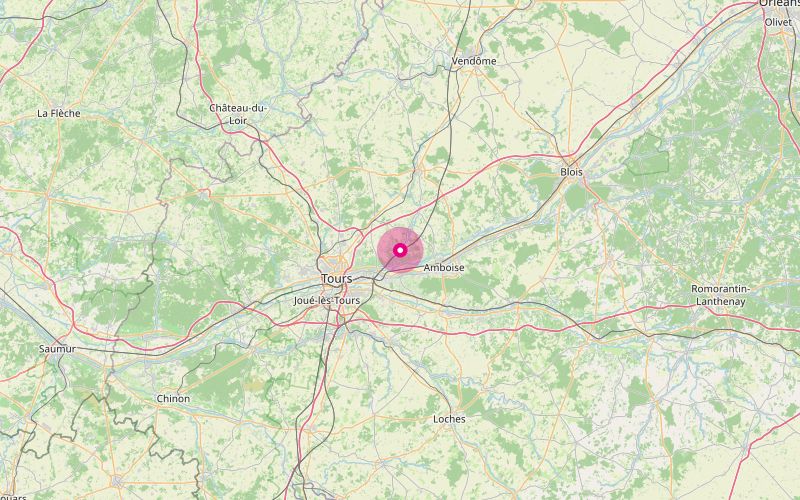
## Vouvray at a Glance Vouvray is a controlled designation of origin in Touraine, on the right bank of the Loire, immediately east of Tours, in the Indre-et-Loire department. The AOC was recognized in 1936 and covers the commune of Vouvray as well as several neighboring communes, notably Vernou-sur-Brenne, Noizay, Chançay, and Reugny. The appellation produces exclusively white wines, still and sparkling, from chenin blanc, locally known as pineau de la Loire. The vineyard covers a little over 2,000 hectares depending on the vintage, making it one of the Loire Valley’s major centers for chenin.
Vouvray stands out for an unusually broad range of styles within a single appellation. The same grape variety can produce dry, off-dry, medium-sweet, and lusciously sweet wines here, as well as fine sparkling wines made by the traditional method. This diversity is not a passing trend, but the direct consequence of the Loire climate, vintage variability, and chenin’s ability to combine acidity, sugar, and mineral expression. The appellation has thus built its reputation on the longevity of its wines, particularly in the sweeter or botrytized versions.
Vouvray’s reputation was established both on the French market and abroad. Sparkling wines now account for a significant share of production, but the great still wines remain the benchmark for lovers of ageworthy bottles. In the best vintages, the sweet wines can evolve over several decades, while the dry wines gain complexity with time without losing their nervosity.
## Terroir and Geology The bedrock of Vouvray’s identity is Turonian tuffeau, a soft limestone characteristic of Touraine. This chalky limestone, often used in regional architecture, plays a decisive role in drainage, water retention, and the tactile signature of the wines. It outcrops or lies beneath varying layers of clay, silt, and sand depending on the area. Flint is common in certain horizons, but the idea of a terroir uniformly composed of clay-with-flint would be reductive.
The landscape is shaped by slopes cut by small dry valleys and variously exposed above the Loire and the Brenne. The best parcels are often found on well-drained slopes and terraces, where chenin can ripen slowly without excessive vigor. More clay-rich plateaus produce broader, sometimes later-ripening profiles, while more calcareous zones tend toward wines that are straighter and more incisive. This mosaic explains part of the stylistic heterogeneity between communes and between estates.
Tuffeau has also shaped the appellation’s material history. Old quarries carved into the rock have long been used as cellars, thanks to their cool, stable temperatures and high humidity. These galleries are particularly well suited to lees aging for sparkling wines and to the prolonged storage of still wines. In Vouvray, geology does not only determine the taste of the wine; it also structures the conditions of its maturation.
## Climate Vouvray has a temperate Loire climate with oceanic influence, gradually transitioning toward more continental nuances. The Loire and its tributaries play a moderating role, partly limiting thermal extremes and encouraging certain late-season conditions beneficial to chenin ripening. Spring, however, can be exposed to the risk of frost, a factor increasingly monitored in the region. Summers generally remain moderate, which helps preserve the grape’s natural acidity.
Climate variability from one vintage to the next is central to understanding the appellation. A cool or wet year will steer production more toward sparkling or dry wines, whereas a bright, breezy autumn allows for successive selective pickings for off-dry, medium-sweet, and lusciously sweet wines. Morning fogs linked to the Loire, followed by drier days, can encourage the development of Botrytis cinerea, or noble rot. When these conditions come together harmoniously, Vouvray produces some of France’s greatest sweet white wines.
Climate change is nevertheless altering the historic balance. Ripeness is now more regular than it once was in many vintages, and the dry style sometimes takes on greater importance. The issue is not merely achieving sugar, but preserving the tension that makes chenin great. The best producers therefore adapt harvest dates, cover-crop management, and aging choices to maintain freshness and clear terroir expression.
## Grape Varieties Vouvray’s grape variety is chenin blanc, which in practice and in reputation must form the exclusive basis of the appellation. Historically called pineau de la Loire in the region, it is a very old variety capable of expressing differences in soil and vintage with precision. Its strength lies in a rare combination of high acidity, an ability to accumulate sugar, and a capacity to develop complex aromas with age. Few varieties offer such versatility without losing their identity.
Chenin requires attentive viticulture. Its relatively early budbreak exposes it to spring frost, while its late ripening requires a sufficiently long autumn to reach the desired balance. It can produce austere wines if picked too early, or conversely heavy wines if pushed to overripeness without enough acidic tension. In Vouvray, the key challenge is therefore to adjust the harvest date to the intended style, sometimes through several successive passes in the same parcel.
The appellation is not structured around varietal blends. Reading site, vintage, and sweetness level matters more than the composition of a diversified planting. This fidelity to a single grape explains Vouvray’s coherence across its most diverse expressions. It also gives consumers a clear reference point: here, stylistic variation does not come from changing grapes, but from the interpretation of chenin by terroir and cellar work.
## Wine Styles Vouvray produces still white wines ranging from dry to lusciously sweet. The most common designations are sec, demi-sec, moelleux, and, more rarely, liquoreux, although labeling and commercial usage may vary from one producer to another. The dry style generally combines apple, quince, citrus, white flowers, and sometimes a chalky or smoky note, with a taut, structured palate. With a few years in bottle, nuances of beeswax, wool, dried fruit, and noble mushroom often emerge.
Demi-secs occupy a pivotal place in the appellation’s identity. They retain a clear acidic backbone, but wrap it in a gentle sweetness that makes them highly versatile at the table. In favorable years, moelleux and liquoreux come from raisined grapes, botrytized grapes, or both at once, harvested through successive selective pickings. Their balance depends less on sugar level alone than on chenin’s liveliness, which prevents any sense of heaviness.
Vouvray’s sparkling wines represent a long-standing tradition, not merely a secondary outlet. Usually made by the traditional method, they may be brut or demi-sec, with profiles ranging from briskly lemony to more vinous depending on the length of lees aging. Chenin brings fine mousse, straight acidity, and greater aging potential than many entry-level sparkling wines. The best examples gain complexity with a few years in cellar.
Aging practices vary greatly from one estate to another. Stainless steel remains common to preserve purity of fruit and support slow fermentations, but leading producers also use large casks, demi-muids, or old barrels with restraint. New oak is rarely sought as a dominant aromatic signature; the goal is rather to support the wine’s texture and stability. In every style, Vouvray handles time well: five to ten years for many ambitious dry wines, and far longer for sweet wines from great vintages.
## Producers to Watch - Domaine Huet — A historic benchmark of the appellation, known for its terroir-specific cuvées and mastery of every style, from dry to first selective pickings. - Domaine François Chidaine — A precise reading of tuffeau soils and measured élevage, with highly articulated dry wines and very pure sweet wines. - Domaine des Aubuisières — Bernard Fouquet has played a major role in bringing Vouvray’s still wines back to the forefront, in a classic and reliable register. - Domaine Vincent Carême — A producer recognized for chiselled dry wines, carefully made sparkling wines, and a very clear expression of Vouvray chenin. - Domaine du Clos Naudin — Philippe Foreau crafts ageworthy wines, often reserved in youth, marked by straightness and depth. - Domaine Champalou — A consistent and approachable address for understanding the style of the appellation, both in dry wines and fine sparkling wines.
## Food and Wine Pairings Vouvray is one of France’s most versatile appellations at the table, because each level of sweetness opens up different uses. The decisive criterion is not simply the color of the dish, but its balance of richness, salt, acidity, gentle spice, and possible sweetness. The most successful pairings play on the dialogue between acidic tension and the wine’s substance. Vouvray chenin thus excels as much with river fish cuisine as with certain spiced dishes or characterful cheeses.
- Vouvray sec and pike-perch with beurre blanc — The wine’s acidity responds to the richness of the sauce without weighing the whole down.
- Vouvray sec or demi-sec and rillettes de Tours — Chenin’s freshness cuts through the fat, while the wine’s substance supports the texture.
- Vouvray demi-sec and chicken in cream with morels — The slight sweetness accompanies the sauce, while the tension maintains precision in the pairing.
- Vouvray moelleux and pan-seared or semi-cured foie gras — The pairing works best when the wine retains real liveliness and does not overpower the dish.
- Vouvray demi-sec and moderately spicy Thai cuisine — The residual sugar tempers the heat, while the acidity refreshes the flavors.
- Vouvray moelleux and Sainte-Maure-de-Touraine — The contrast between sweetness, salt, and goat’s-milk texture creates a convincing regional pairing.
## FAQ ### Is Vouvray always sweet? No. Vouvray also produces dry wines, off-dry wines, and sparkling wines, with a significant share of wines that are lightly sweet or not sweet at all depending on the vintage and the producer’s choices. The historic reputation of the sweet wines should not obscure this diversity.
### What grape variety is used for Vouvray? Vouvray is made from chenin blanc, locally called pineau de la Loire. This grape is responsible for the appellation’s high acidity, aging potential, and stylistic diversity.
### What is the difference between Vouvray and Montlouis-sur-Loire? The two appellations are neighbors and share chenin blanc as well as a Loire limestone foundation. Vouvray lies on the right bank of the Loire, Montlouis-sur-Loire on the left bank; the profiles can overlap, but each appellation has its own history, soils, and benchmark producers.
### How long can a Vouvray age? A serious dry Vouvray can evolve favorably for several years, often between five and ten years, sometimes longer in the best terroirs. Sweet and lusciously sweet wines from great vintages can age for several decades thanks to the combination of sugar, acidity, and dry extract.
### At what temperature should Vouvray be served? A dry Vouvray is generally served cool but not icy, around 10 to 12 °C, in order to preserve its texture and aromas. A demi-sec or moelleux often benefits from being served slightly less cold than an aperitif wine, so that it can better express its complexity.