Veneto: the winegrowing mosaic of northeastern Italy
Between the Alps, the plains, and the Adriatic, Veneto brings together some of Italy’s most varied vineyards. It is a key region for understanding the diversity of Italian wine styles.
geoVINUM · 2026-11-04
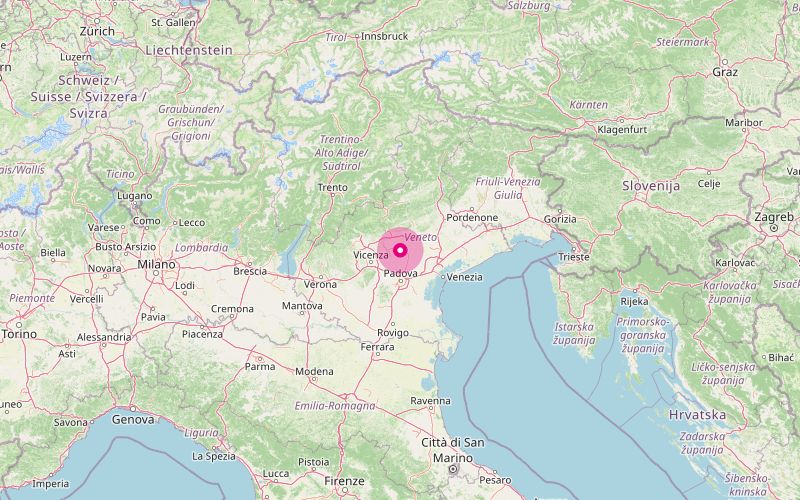
## Veneto in brief Veneto is a major wine region in northeastern Italy, backed by the Alps and open to the Adriatic, with Venice as its administrative and cultural capital. It ranks among the country’s most productive regions and brings together a large number of appellations, from sparkling wines to ageworthy reds. Its regulatory framework is built on a layering of IGT, DOC, and DOCG rather than a single appellation covering the whole region. Thus, Veneto IGT, recognized in the 1990s, coexists with major denominations such as Soave, Valpolicella, Bardolino, Amarone della Valpolicella, Prosecco, and Lugana.
The region stands out for the breadth of its stylistic range. The whites run from light, floral, taut profiles to more textural expressions, sometimes aged on lees or in wood. The reds span a very broad spectrum, from supple wines meant to be drunk young to concentrated cuvées made from dried grapes. This diversity explains Veneto’s central role both in Italian wine exports and in the broader understanding of origin-driven wines.
From a geographical standpoint, the vineyard stretches from the shores of Lake Garda to the hills of Treviso, passing through the elevations of Verona, Vicenza, and Padua. Veneto must be read as a mosaic of winegrowing basins, each with its own grape varieties, soils, and traditions. Speaking of the region as a whole therefore makes sense only if its major zones are distinguished: western Veronese areas, central volcanic hills, northern foothills, and eastern plains.
## Terroir and geology Veneto displays remarkable geological complexity, rare even on the Italian scale. Its vineyards are rooted in fertile alluvial plains, limestone hills, alluvial fans, glacial moraines, and several volcanic sectors. This juxtaposition of materials directly influences vine vigor, soil water retention, and the aromatic profile of the wines. It also explains why two neighboring appellations can produce very different styles from sometimes closely related grape varieties.
In the west, around Lake Garda and Verona, moraine deposits left by glaciations have shaped stony, well-drained soils. In Bardolino and Custoza, this moraine matrix favors supple, fragrant wines that are often approachable in their youth. Further south and east of Verona, the hills of Valpolicella combine limestone, marl, and more clay-rich formations. The best slopes yield reds with real depth, particularly well suited to selections destined for ripasso, Recioto, or Amarone.
Historic Soave is largely based on volcanic hills around Monteforte d’Alpone, complemented by limestone sectors closer to Soave itself. Volcanic basalts and tuffs are often associated there with more saline, smoky, or structured expressions of garganega. Depending on site and viticultural approach, limestone soils tend to produce finer, more linear profiles. This contrast has become a useful reference point for reading cru bottlings and village designations.
Southwest of Padua, the Colli Euganei form an isolated volcanic area that produces still wines as well as more distinctive styles, sweet or sparkling depending on the grape varieties and categories. In the provinces of Vicenza and Treviso, the foothills and pre-Alpine hills alternate among marl, sandstone, and more clay-limestone soils. The steeper slopes of Conegliano Valdobbiadene impose costly, highly parcel-based hillside viticulture. To the east, toward the plain and areas closer to the Adriatic, alluvial soils become dominant, with potentially higher yields and generally simpler wine profiles.
## Climate Veneto’s climate is broadly temperate, but it changes markedly depending on altitude, latitude, and distance from bodies of water. The plain experiences a more continental influence, with hot, sometimes heavy summers and cold winters marked by fog. The hill zones benefit from better air circulation and temperature swings more favorable to preserving acidity. Areas near Lake Garda enjoy a moderating effect that limits extremes and lengthens the growing season.
The Adriatic also plays a role, especially in the eastern zones, partly softening temperatures and bringing humidity. This humidity can increase fungal disease pressure in the plains, making canopy management essential. In the northern hills, nighttime coolness contributes to the aromatic finesse of whites and sparkling base wines. By contrast, the warm exposures of Valpolicella or certain volcanic areas can encourage advanced ripening that is useful for more concentrated wines.
Climate change is already having visible effects. Harvest dates have generally moved earlier, and hot vintages are more frequent, with rising potential alcohol levels. Growers are responding with more protective vineyard practices, greater work on exposures, and in some cases a search for freshness through altitude or more precise picking dates. In a region this diverse, adaptation does not take a single form but depends heavily on the winegrowing basin concerned.
## Grape varieties Veneto combines a foundation of native grape varieties with a range of international or interregional ones. Among whites, garganega remains fundamental, especially in Soave and the Colli Berici, thanks to its ability to combine volume, acid retention, and a relative neutrality that favors terroir expression. Glera dominates the landscape of sparkling wines in the Prosecco area. One also encounters trebbiano di Soave, pinot grigio, chardonnay, sauvignon blanc, durella, garganega, friulano, and, depending on the zone, moscato bianco or manzoni bianco.
Among reds, the historic Valpolicella trio combines corvina, corvinone, and rondinella. Corvina brings fruit, tannic finesse, and suitability for grape drying; corvinone adds structure and spice; rondinella completes the whole through its consistency and good resistance. Other varieties may be included depending on the production rules, such as molinara, oseleta, or international grapes in an accessory role. This ampelographic base is essential to understanding the coherence among Valpolicella, Ripasso, Recioto, and Amarone.
In the more open regulatory zones, especially under IGT, the region includes merlot, cabernet sauvignon, cabernet franc, and syrah, often found in blends or as varietal wines. Merlot is particularly well established in the plains and certain hills, where it yields supple, fruity wines, sometimes more ambitious depending on the sites. Pinot grigio, for its part, has greatly contributed to the international spread of the image of northeastern Italian whites. Blending rules vary by appellation, but Veneto is characterized by a constant balance between local tradition and productive flexibility.
## Wine styles Veneto produces dry whites in several families. The simplest emphasize freshness, citrus, pear, and white flowers, with tank aging aimed at preserving clarity of fruit. Well-sourced Soave can gain density, texture, and complexity, sometimes with lees aging, more rarely in wood. The best whites from well-situated slopes can evolve over several years, developing notes of almond, dried herbs, and warm stone.
Sparkling wines occupy a major place, from the most immediate Prosecco to more taut hillside expressions. The most common method remains the tank method, suited to the fruity, approachable style of glera. Profiles range from light, floral brut styles to drier or more textural cuvées depending on origin, sweetness level, and time spent on lees. Certain areas also produce sparkling wines from naturally high-acid durella, in a sharper register.
Still reds range from supple, easy-drinking wines to more structured styles. Bardolino often illustrates a light- to medium-bodied register focused on red fruit, mild spice, and moderate structure. Valpolicella, depending on origin and level of ambition, may remain very accessible or gain real depth. Ripasso adds body and richness by refermenting on the pomace of Recioto or Amarone, with riper notes, a broader texture, and frequent use of aging in large casks or barriques.
Amarone della Valpolicella is one of the region’s most distinctive styles. It is made from grapes dried after harvest according to the appassimento technique, which concentrates sugars, matter, and aromatic compounds before dry fermentation. The wine generally combines high alcohol, present tannins, black fruit, cherry liqueur, cocoa, spice, and sometimes a balsamic touch. The best cuvées benefit from aging and can evolve favorably over a decade or more, depending on the vintage, structure, and élevage.
Sweet wines also exist, notably with Recioto della Valpolicella and certain expressions from the Colli Euganei or Gambellara. They are a reminder that Veneto is not only a region of volume, but also a land of old technical traditions. Subzone, classico, or, depending on the denominations concerned, cru or rive indications help refine the qualitative reading. For the informed enthusiast, the hierarchy of sites often matters more than the simple regional name.
## Producers to watch - Pieropan: a Soave benchmark, with an exemplary reading of garganega on volcanic and limestone soils. - Inama: an important player in the renewal of Soave whites and Colli Berici reds. - Bertani: a historic Valpolicella house, known for classic, ageworthy Amarone. - Allegrini: an influential Valpolicella estate, modern in style yet firmly rooted in its terroir. - Suavia: a family-owned Soave property, recognized for precise cuvées from volcanic slopes. - Nino Franco: a major name in Valdobbiadene, useful for understanding the qualitative nuances of hillside Prosecco.
## Food and wine pairings - Dry Soave and green asparagus risotto: the wine’s texture matches the creaminess, while the vegetal bitterness remains under control. - Prosecco brut and Venetian fritto misto: the bubbles lighten the fried elements and revive salivation. - Young Bardolino and delicate charcuterie: the crunchy fruit and moderate tannins avoid any harshness with the salt. - Valpolicella Ripasso and lasagne al forno: the extra body matches the richness of the dish without overwhelming it. - Amarone della Valpolicella and braised beef cheek: the wine’s concentration supports the reduced flavors and gelatinous texture. - Recioto della Valpolicella and dark chocolate cake: the pairing works through shared intensity and an echo of cherry and cocoa notes.
## FAQ ### Is Veneto a single appellation? No. Veneto is first and foremost a wine region that brings together many IGT, DOC, and DOCG. Veneto IGT does exist, but it does not by itself sum up the regulatory diversity of the regional vineyard.
### What is the emblematic grape variety of Venetian whites? The answer depends on the style sought. Garganega is central to the great still whites of Soave, while glera dominates the sparkling wines of the Prosecco area.
### What is the difference between Valpolicella and Amarone? Valpolicella first of all refers to a still red made from local grape varieties, often in a lighter or intermediate style. Amarone comes from grapes dried after harvest, producing a wine that is more concentrated, higher in alcohol, and more suitable for aging.
### Can the best wines of Veneto age? Yes, but not all with the same ambition. The best Soave, well-built Amarone, and certain terroir-driven reds can evolve over several years, sometimes far longer, whereas many regional cuvées are intended for earlier drinking.
### Is Veneto limited to easy-drinking wines? No. The region certainly produces many wines that are immediately legible, which contributes to its commercial success. But it also offers site-specific, hillside, and ageworthy wines capable of expressing origin and élevage choices with great finesse.