Valtellina, the Nebbiolo of the Lombard Alps
In northern Lombardy, Valtellina produces taut, savory, finely drawn Nebbiolo reds born from some of Italy’s most spectacular Alpine terraces.
geoVINUM · 2026-11-04
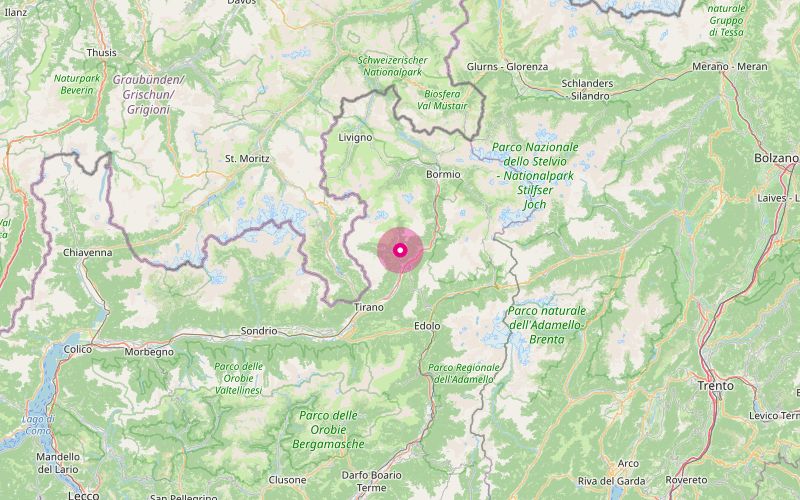
## Valtellina in brief Valtellina is an Alpine winegrowing area in Lombardy, in the province of Sondrio, in northern Italy, near the Swiss border. The basic appellation is Valtellina Rosso DOC, while Valtellina Superiore obtained DOC status in 1968 and then DOCG in 1998; Sforzato di Valtellina was elevated to DOCG in 2003. Production is almost entirely red and based on Nebbiolo, here called Chiavennasca. Modest in size by Italian standards, the vineyard stretches across terraced slopes that rank among the country’s most recognizable mountain wine landscapes.
The valley runs on an east-west axis, a rare feature in the Alps, allowing the vineyard slopes on the northern side to benefit from an overall southern exposure. This configuration increases solar reception and helps Nebbiolo ripen in an altitude setting. Viticulture here is overwhelmingly manual, because of the steep slopes and fragmented parcel structure. Valtellina is therefore often described as heroic viticulture, in the very concrete sense of demanding and costly work.
## Terroir and geology The vineyard leans against the Rhaetian Alps on a succession of terraces supported by kilometers of dry-stone walls. The parcels generally lie between about 300 and 700 meters in altitude, sometimes higher depending on the site. The slopes are steep, the soils shallow, and drainage rapid, which naturally limits vine vigor. This setting encourages moderate yields and grapes with steady phenolic concentration when the season is well managed.
The geological base is dominated by metamorphic and igneous rocks, notably granite, gneiss, and schist, with sandy material derived from their weathering. Soils are often lean, low in organic matter, and rich in coarse elements, contributing to measured water supply. In the glass, the wines often convey an impression of tension, salinity, and clarity rather than sheer power. The mineral register so often mentioned owes as much to this geology as to a generally restrained winemaking style.
The historic qualitative core of Valtellina Superiore DOCG is divided among five subzones. Grumello, Sassella, Inferno, Valgella, and Maroggia show nuances of altitude, ventilation, soil depth, and earliness of ripening. Sassella often delivers structured, taut wines; Grumello more floral and supple profiles; Inferno rapid ripening on warm slopes; Valgella finer, more elongated expressions; and Maroggia smaller volumes. These traits remain tendencies, however, as cellar practices and the vintage weigh heavily on the final result.
## Climate Valtellina’s climate is Alpine, but it is clearly shaped by exposure and by the shelter provided by the relief. The mountains partially protect the valley from excessive rainfall and the coldest influences, creating relatively dry conditions during the growing season. Sunshine is a key factor, as is the thermal reverberation of the stone terraces. In this context, Nebbiolo can achieve satisfactory ripeness without entirely losing its acidic and tannic identity.
Temperature swings between day and night are generally marked, especially late in the season. They help preserve aromatic compounds, freshness, and a certain precision of fruit. Harvests can be late, as is often the case with Nebbiolo, but the risk is not limited to autumn rain: spring frost, localized hail, and ripening slowdowns in the highest sites are also part of the equation. The best producers therefore constantly arbitrate between exposure, crop load, harvest date, and cellar extraction.
Climate change has had visible effects on this mountain viticulture. Ripening is more regular than it once was in certain parcels, and genuinely lean years are less frequent. On the other hand, water management, occasional hydric stress, and excess heat in the earliest-ripening sectors have become more important. In a vineyard historically prized for its finesse, the challenge is to preserve length and drinkability without giving in to overripeness that would thicken the profile.
## Grape varieties The central grape variety is Nebbiolo, locally called Chiavennasca. It overwhelmingly dominates plantings and provides the wines’ aromatic, tannic, and acidic identity: faded rose, cherry, raspberry, blood orange, dried herbs, fine spices, and sometimes tarry notes with age. Its relatively thin skin and late ripening require favorable exposures and careful yield management. In Valtellina, it often takes on a paler-colored, more nervous form than in Piedmont.
For Valtellina Superiore DOCG, the regulations are based on Nebbiolo with a minimum proportion of 90%, with other non-aromatic red grape varieties authorized by the province of Sondrio allowed to complete the blend. In practice, ambitious cuvées are very often made exclusively from Nebbiolo. Valtellina Rosso DOC follows a similar logic, with a style that is generally more accessible and earlier-drinking. This strong specialization gives the region a clear identity, rare in an otherwise highly diverse winegrowing Lombardy.
Sforzato di Valtellina DOCG is also based on Nebbiolo, but according to a distinct method. The grapes are harvested healthy and then undergo passerillage after harvest, that is, controlled drying that concentrates sugars, aromas, and substance. In technical principle, the method recalls Amarone in some respects, but the final expression is different: less broad, more driven, and more tannic, because it is shaped by Nebbiolo and the Alpine context. The grape thus retains its backbone despite the concentration.
## Wine styles Valtellina Rosso DOC is the entry point into the local world. These are dry reds, generally suppler, more immediate, and less ambitious in élevage than the DOCGs, with notes of red berries, dried flowers, and light spice. The tannic structure remains present but is rarely austere, especially in modern versions with measured extraction. This style suits relatively early drinking while still retaining real terroir character.
Valtellina Superiore DOCG forms the classic qualitative core of the appellation. The wines must respect a minimum aging period before release, and the best bottles combine finesse of texture, incisive acidity, and tight but ripe tannins. The color is often light to medium ruby, which says nothing in advance about either length or aging potential. With time, the fruit shifts toward pit fruit, dried citrus, blond tobacco, fine undergrowth, and sometimes a ferruginous or stony nuance.
Subzone mentions allow for a more refined geographical reading. They do not automatically guarantee higher quality, but they help place the expected style and the origin of the grapes. In good vintages, cuvées from Sassella, Grumello, or Valgella can age gracefully for a decade or more, sometimes clearly longer depending on the producer. The key is not so much mass as the balance between acidity, phenolic ripeness, and precision of élevage.
Sforzato di Valtellina DOCG offers the region’s most concentrated side. Drying the grapes yields wines that are richer in alcohol, denser, and more intense, but the best retain an Alpine tension that avoids heaviness. Aromas move toward plum, black cherry, sweet spices, cocoa, fine leather, and sometimes a balsamic touch. Their aging potential is high, provided the substance is supported by genuine freshness rather than sheer power alone.
## Producers to watch - Ar.Pe.Pe.: a major benchmark of traditional Valtellina, with long élevage and wines of great terroir legibility, especially in Sassella and Grumello. - Nino Negri: a historic house of the valley, important in building the appellation’s reputation, with a broad range running from classic style to Sforzato. - Dirupi: a more recent estate, known for precise, contemporary interpretations of the crus without losing the sector’s inherent tension. - Mamete Prevostini: a reliable producer for understanding the appellation’s different levels, from accessible cuvées to single-parcel selections. - Rainoldi: a recognized name, particularly followed for its Alpine Nebbiolo expressions and well-balanced Sforzato. - Plozza: a historic player based in Tirano, useful for grasping the local style across several categories and with broader distribution.
## Food and wine pairings Valtellina calls for mountain cooking, but its finesse also allows for less rustic pairings than one might imagine. The acidity of local Nebbiolo cuts through richness, while its tannins call for protein textures or preparations based on mushrooms and herbs. Young versions like simple dishes; ageworthy cuvées call for deeper flavors.
- Pizzoccheri della Valtellina: the buckwheat pasta, cabbage, potatoes, butter, and cheese find a natural echo in a Valtellina Rosso or a supple Superiore.
- Bresaola della Valtellina: the air-dried meat, low in fat but intensely flavorful, works very well with a red served slightly cool, focused on fruit and tension.
- Porcini risotto: a few years of bottle age on a Valtellina Superiore complements the mushroom’s damp earthiness without overwhelming it.
- Osso buco or braised veal: the melting texture and reduced jus suit a more structured Superiore, especially from a ripe vintage.
- Aged alpine cheeses: Bitto or Casera pair well with the salinity and developed notes of a local Nebbiolo.
- Feathered game or venison: for these more intense preparations, a Sforzato brings the necessary breadth while keeping its drive.
## FAQ ### Is Valtellina an appellation or a wine region? Both terms can overlap, but they do not designate exactly the same thing. Valtellina is first and foremost an Alpine wine valley; legally, it includes several denominations, notably Valtellina Rosso DOC, Valtellina Superiore DOCG, and Sforzato di Valtellina DOCG.
### Which grape variety hides behind the name Chiavennasca? Chiavennasca is the local name for Nebbiolo. In this Alpine context, it generally produces wines that are paler in color, more nervous, and more saline than many Piedmontese expressions of the same grape variety.
### What is the difference between Valtellina Superiore and Sforzato? Valtellina Superiore is a classic dry red made mostly from Nebbiolo vinified without passerillage. Sforzato di Valtellina is made from grapes dried after harvest, which concentrates the wine and increases richness, alcohol, and aromatic intensity.
### Do Valtellina wines age well? Yes, especially the best Valtellina Superiore wines and most Sforzato. Their ability to age rests on acidity, tannins, and fruit quality more than on color or extraction.
### Why is Valtellina described as heroic viticulture? The expression refers to concrete growing constraints. The slopes are steep, the terraces narrow, mechanization is limited, and maintaining the dry-stone walls requires considerable manual labor.