Valpolicella Ripasso, the Bridge Red of Valpolicella
Between Valpolicella and Amarone, Ripasso is born from a second fermentation on dried pomace. This Venetian DOC produces denser, spicier reds with good aging potential.
geoVINUM · 2026-11-04
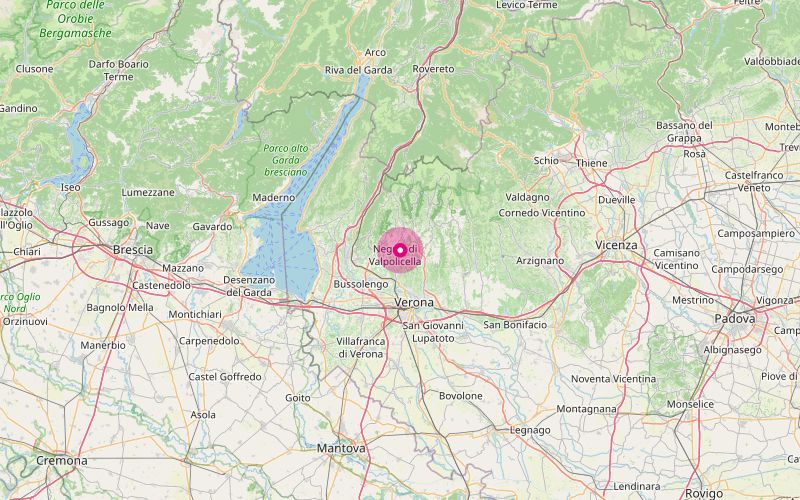
## Valpolicella Ripasso in brief Valpolicella Ripasso is a designation within the Valpolicella DOC, in Veneto, northwest of Verona, in the historic Valpolicella area and its expanded zone. The style was codified in the regulations at the beginning of the 21st century, with official recognition of the Ripasso category within the Valpolicella DOC in 2009. It is exclusively a red wine, made from a Valpolicella that undergoes a second fermentation in contact with the pomace of Amarone della Valpolicella or Recioto della Valpolicella. The result occupies a middle ground between entry-level Valpolicella and Amarone, with more substance, alcohol, color, and complexity than the former, without reaching the power or cost of the latter.
The qualitative heart of the denomination lies in the hillsides of the classic valleys of Negrar, Fumane, Marano, Sant’Ambrogio, and San Pietro in Cariano. These historic sectors bear the Classico designation when they fall within the traditional area of origin. Production now covers a significant volume, as Ripasso has become a commercial pillar of contemporary Valpolicella. Quality profiles nevertheless remain highly dependent on grape origin, yield, the proportion and condition of the pomace, and the management of aging.
## Terroir and geology Valpolicella forms an amphitheater of hills and valleys rising north of Verona, between the plain and the first Pre-Alpine elevations. The vineyard area intended for Ripasso is spread across the Classica zone, the area known as Valpantena, and a broader DOC zone to the east. Altitude, exposure, and ventilation play a decisive role here, as the best grapes generally come from well-drained, moderately fertile slopes. More productive plain parcels generally produce simpler, softer wines.
The geology is diverse and explains part of the heterogeneity of styles. There are limestone and marl formations, soils derived from moraine deposits linked to ancient glaciers, as well as sectors with basaltic or volcanic components. Limestone soils tend to favor more taut and aromatic wines, while more clay-rich soils often bring greater body. Stony, well-draining sites naturally limit vigor and better concentrate the berries, an essential point in a zone where yield can quickly dilute the profile.
The traditional grape-growing system is often pergola veronese, historically suited to the vigor of local grape varieties and the protection of the bunches. Many quality-focused producers also work with guyot in order to better control yields and canopy aeration. In the case of Ripasso, the quality of the base wine is decisive, because the second fermentation does not correct insufficient or overly diluted fruit. Terroir must therefore be understood both as the origin of the initial Valpolicella and as the foundation of the final balance after ripasso.
## Climate The climate of Valpolicella is moderately continental, with a softening influence from Lake Garda on the western part. Winters can be cold, but the hills often benefit from better air circulation than the plain. Summers are warm without systematically reaching the excesses of more southerly zones, allowing the local late-ripening grape varieties to mature steadily. Long autumns are especially important for the entire local wine economy, as they favor both phenolic ripeness and, for Amarone and Recioto, the proper management of appassimento.
Temperature swings between day and night help preserve aromatic compounds and a certain acidic freshness, even in generous vintages. Ventilation in the valleys limits some health risks, without eliminating them, especially when vine vigor is high. Vintage variation is noticeable, with cooler years producing more energetic, spicier Ripasso, and warmer years yielding richer, more alcoholic wines that sometimes feel softer. This variability explains why the best producers seek a precise balance between ripeness, extraction, and aging.
## Grape varieties The ampelographic base of Valpolicella Ripasso is that of the Valpolicella DOC. Corvina Veronese and Corvinone form the backbone of many blends, bringing fragrance, tannic spine, and suitability for drying in the wines from which the pomace comes. Rondinella often completes the set thanks to its regular production, color, and good sanitary resilience. Molinara, once more widespread, now plays a more limited role but remains authorized, notably for its contribution of acidity in certain traditional blends.
According to the regulations, Corvina, alone or with Corvinone within certain limits, must remain dominant in the blend. Rondinella generally comes second, while other non-aromatic red grape varieties authorized in the province of Verona may be used in a secondary role in restricted proportions. In quality-focused practice, many producers concentrate on the Corvina, Corvinone, and Rondinella triptych. Ripasso draws part of its personality not only from the grape varieties in the base wine, but also from the composition of the pomace from Amarone or Recioto.
Corvina frequently gives notes of tart cherry, morello cherry, dried herbs, and sometimes a hint of bitter almond on the finish. Corvinone adds structure and depth of black fruit when fully ripe. Rondinella contributes color and suppleness without seeking the leading aromatic role. This combination explains why Ripasso can remain legible and digestible despite the extra substance brought by the second fermentation.
## Wine styles Ripasso is produced from a finished Valpolicella, brought back into contact with pomace still rich in sugars, yeasts, and phenolic compounds from Amarone or Recioto. A second fermentation is then triggered, increasing alcohol level, glycerol texture, color extraction, and aromatic complexity. The process must be handled with precision, because excessive or clumsy use of pomace can produce wines that are hard, jammy, or marked by compensatory oak. In its best versions, Ripasso gains depth without losing the drinkability that makes Valpolicella appealing.
The color is deep ruby to garnet depending on age and extraction. The nose often combines black cherry, plum, ripe berries, cinnamon, sweet pepper, light cocoa, and sometimes a note of tobacco or undergrowth with development. On the palate, the wine is broader than a classic Valpolicella, with more present tannins, a clearer alcoholic sensation, and a longer finish. Balance relies on the relative freshness of the local grape varieties; without it, the wine quickly tips into heaviness.
Aging practices vary by estate, between tank, large casks, traditional botti, and barriques. The most serious versions generally avoid overly demonstrative oak, which would mask the fruit and the identity of Valpolicella. The Superiore designation may appear when the wine meets the specific DOC criteria, notably in terms of alcohol level and aging. Aging potential is often between five and eight years for standard cuvées, and longer for hillside selections from good vintages with well-integrated élevage.
The nickname “poor man’s Amarone” is widespread but reductive. Ripasso is neither a lesser Amarone nor simply an enriched Valpolicella. It is an autonomous style, historically linked to the region’s technical economy, which valorizes the pomace of wines made from appassimento while producing a more accessible gastronomic red. Its success depends on the accuracy of the balance between primary fruit, additional extraction, and tannic relief.
## Producers to follow - Tommasi: a benchmark house in Pedemonte, with a consistent style and Ripasso wines that are clean, ripe, and well calibrated for the international market. - Allegrini: a major player in Valpolicella, recognized for the precision of its blends and a modern yet controlled reading of Ripasso. - Zenato: an important producer in Veneto, whose Ripassa has greatly contributed to the category’s commercial notoriety. - Masi: a historic name in the region, with deep expertise in appassimento and technically solid Ripasso bottlings. - Speri: a family estate in the Classica zone, often cited for a more territorial and restrained expression of Valpolicella wines. - Secondo Marco: an address followed by professionals for dense, precise Valpolicella reds oriented toward terroir quality.
## Food and wine pairings Valpolicella Ripasso calls for cuisine with texture rather than overly spicy dishes. Its register of black cherry, dried herbs, and sweet spices works well with braised meats, stews, and rich pasta dishes. The wine’s relative freshness also allows it to hold a place at the table where an Amarone would be too imposing.
- Pappardelle with wild boar ragù: the reduced sauce and gamey texture match the wine’s substance without overwhelming it.
- Risotto all’Amarone: a coherent regional pairing, where the wine’s aromatic echo complements the dish’s creaminess.
- Polenta and braised beef cheek: the melting texture of the meat pairs with the softened tannins of Ripasso.
- Herb-crusted lamb chops: the vegetal and spicy notes of the dish highlight the balsamic dimension of certain styles.
- Meat lasagna: a simple and effective pairing, especially with a young, fruity Ripasso little marked by oak.
- Aged cheeses such as Monte Veronese stagionato: the salt and firm paste match the wine’s concentration.
## FAQ ### What is the ripasso technique? Ripasso consists of refermenting a Valpolicella on the pomace of Amarone or Recioto. This operation enriches the wine in alcohol, substance, and aromatic compounds, without directly drying the grapes of the Ripasso itself.
### Is Ripasso an independent appellation? No, it is a regulated category within the Valpolicella DOC. The label generally bears the mention Valpolicella Ripasso or Valpolicella Ripasso Superiore depending on the specifications met.
### What is the difference between Valpolicella, Ripasso, and Amarone? Classic Valpolicella is lighter, fresher, and centered on red fruit. Ripasso is more structured thanks to the second fermentation on pomace, while Amarone comes directly from dried grapes, which gives it more alcohol, concentration, and power.
### Should you decant a Valpolicella Ripasso? A young, ambitious Ripasso can benefit from being aired for half an hour to an hour, especially if it has seen oak aging. Simpler versions can be served directly, provided the temperature is not too high.
### At what temperature should it be served? A range around 16 to 18 °C works in most cases. Too warm, the wine seems alcoholic and heavy; too cool, it hardens the tannins and reduces aromatic expression.