Loire Valley, France’s Most Diverse Wine Region
From the Atlantic to Centre-Loire, the Loire Valley brings together a mosaic of terroirs, grape varieties, and styles, from incisive whites to sweet wines, from straightforward reds to fine sparkling wines.
geoVINUM · 2026-11-04
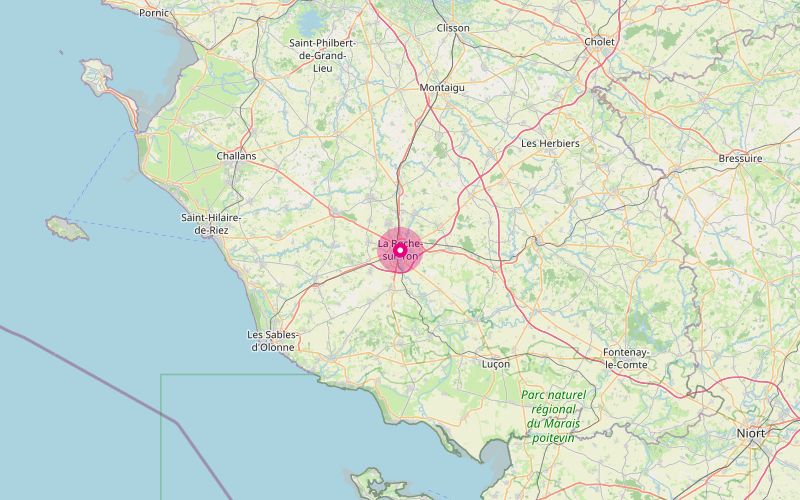
## Loire Valley at a glance The Loire Valley is a vast French wine-growing area that follows the course of the Loire and several of its tributaries, from the Nantes area to Centre-Loire. It is not a single IGP, but a major wine region structured by numerous AOCs, a few IGPs, and strongly defined local identities. It produces white, red, rosé, sparkling, and sweet wines, with a diversity that is rare on the scale of a single basin.
The Loire vineyard is generally presented in four main groups: the Nantes area, Anjou-Saumur, Touraine, and Centre-Loire. The vineyard’s total surface area exceeds 50,000 hectares, making it one of France’s major wine regions both for its size and for the variety of its appellations. The river plays the role of a geographical, commercial, and cultural backbone, but each sector retains its own grape varieties, soils, and practices.
Recognition of the appellations was built up over the course of the 20th century, with historic AOCs such as Muscadet, Vouvray, Sancerre, and Chinon, to which communal designations and crus were later added. This history explains the coexistence of many regulatory frameworks rather than a uniform definition of the vineyard. To understand the Loire, it is therefore better to think in terms of sub-regions and styles rather than look for a single administrative unity.
## Terroir and geology Geological diversity is one of the defining traits of the Loire Valley. In the west, in the Nantes area, ancient basement rocks dominate, notably granite, gneiss, gabbro, amphibolite, micaschist, and serpentinite. These substrates produce taut, often saline whites, particularly well suited to melon de Bourgogne in the different expressions of Muscadet.
In Anjou, the vineyard is divided between schist formations of the Armorican Massif and more varied transition zones. Schists, spilites, sandstone, quartz, and sandy weathered soils play an important role there, especially for chenin blanc and cabernet franc. Well-exposed slopes, combined with filtering or shallow soils, encourage concentration without losing the nervous energy that often marks the finest dry and medium-sweet whites.
Around Saumur and in Touraine, limestone becomes more important, especially tuffeau, the soft chalky stone emblematic of troglodyte landscapes. This material, often covered by clay, sand, or gravel, contributes to straighter wines, often fine tannins, and preserved acidity. Chenin, cabernet franc, and more occasionally sauvignon blanc find highly legible expressions here depending on soil depth and water retention.
In Centre-Loire, the geological references are more clearly related to the Paris Basin. In Sancerre and Pouilly-Fumé, three major soil groups are classically distinguished: limestone, Kimmeridgian marls, and flint, to which gravelly formations are locally added. This reading of terroirs is essential to understanding the nuances of sauvignon blanc, from the most direct and chalky profiles to more smoky or structured versions.
## Climate The Loire climate evolves progressively from west to east. The Nantes area is subject to a marked oceanic influence, with moderate temperatures, regular rainfall, and low seasonal contrast. These conditions favor slow ripening and preserve high acidity, the foundation of the dry, incisive style of whites from the Atlantic façade.
Moving inland toward Anjou and Touraine, the oceanic influence remains but softens. Summers become somewhat drier and warmer, late seasons can be favorable, and certain slopes benefit from protective mesoclimates. This intermediate zone explains the ability of the middle Loire to produce both precise dry whites, fruity rosés, supple reds, and, in some years, great medium-sweet wines from late harvests or botrytis.
Centre-Loire has a more continental climate. Winters are colder, the risk of spring frost is more pronounced, and temperature ranges are greater. This continental character, combined with well-differentiated soils, contributes to the aromatic clarity and acidic tension of sauvignon whites, as well as to light- to medium-bodied reds centered on fruit.
The role of the river and the tributary valleys is important, though phenomena such as mists favorable to botrytis should not be generalized to the whole vineyard. These are mainly decisive in certain areas and certain vintages, particularly in Anjou, Saumur, or Vouvray, when morning humidity and dry afternoons allow the grapes to evolve slowly and healthily. The Loire is therefore not a single climate, but a succession of local balances.
## Grape varieties The white grape variety most central to the region is chenin blanc, especially important in Anjou, Saumur, and Touraine. It can produce sparkling, dry, off-dry, medium-sweet, or sweet wines, making it one of France’s most versatile grape varieties. Its naturally high acidity and sensitivity to both place and vintage explain its place in ageworthy appellations.
Sauvignon blanc dominates in Centre-Loire, notably in Sancerre, Pouilly-Fumé, Menetou-Salon, Quincy, and Reuilly, and it also appears in Touraine in certain regional appellations. Melon de Bourgogne reigns in Muscadet, where it serves as the basis for dry wines with limited primary varietal expression but great receptiveness to terroir and lees aging. Chardonnay exists, especially for certain sparkling wines or local appellations, but it is not a major marker of Loire identity.
On the red side, cabernet franc is the flagship grape of Chinon, Bourgueil, Saint-Nicolas-de-Bourgueil, and many Saumur cuvées. Gamay holds a significant place in several appellations of Touraine and Anjou, often for supple, immediately appealing wines. Pinot noir plays a key role in Centre-Loire, especially in Sancerre and Menetou-Salon, where it produces refined rather than powerful reds and rosés.
Cabernet sauvignon plays a supporting role in certain Anjou appellations, often blended with cabernet franc, particularly for rosés and reds from Anjou-Saumur. Grolleau, grolleau gris, côt, pineau d’Aunis, and romorantin complete this ampelographic landscape. Blending rules vary greatly depending on the appellation: some impose an almost exclusive grape variety, such as sauvignon in Pouilly-Fumé or melon in Muscadet, while others allow several varieties in regulated proportions.
## Wine styles The Loire Valley is first and foremost a great land of dry whites. Muscadet offers light- to medium-bodied wines that are lively and saline, often aged on lees, sometimes with greater aging capacity than its image as a quick-drinking wine would suggest. Sancerre, Pouilly-Fumé, dry Vouvray, Savennières, or certain Saumur blancs show instead that the Loire can deliver wines of notable texture, length, and complexity.
Off-dry, medium-sweet, and sweet whites form another historic pillar of the region. Vouvray, Montlouis-sur-Loire, Coteaux du Layon, Quarts de Chaume, Bonnezeaux, and Coteaux de l’Aubance illustrate the different paths to concentration, through overripeness, successive selective pickings, or botrytis depending on the year. The best wines combine sweetness, acidity, and a low sensation of heaviness, with sometimes considerable aging potential.
Loire reds generally favor freshness, drinkability, and fruit definition over massive extraction. The cabernet franc of Chinon, Bourgueil, or Saumur-Champigny can nevertheless gain depth, structure, and aging capacity on the best limestone or gravel terroirs. In Centre-Loire, pinot noir reds remain more delicate, with moderate tannins and a more immediate reading of the vintage.
Rosés occupy an important economic and cultural place, especially in Anjou. Rosé d’Anjou, Cabernet d’Anjou, Rosé de Loire, and certain expressions from Touraine cover a spectrum ranging from dry to gently sweet, with styles oriented toward red fruit, suppleness, and accessibility. These categories must be distinguished by their residual sugar levels and authorized grape varieties, as they do not all belong to the same taste register.
The Loire is also one of France’s major homes of traditional-method sparkling wines. Crémant de Loire, Saumur mousseux, Vouvray mousseux, and sparkling Montlouis often rely on chenin, sometimes complemented by chardonnay, cabernet franc, or other authorized grape varieties according to the specifications. Lees aging, the natural liveliness of the base wines, and often restrained dosage support an energetic, gastronomic style that is regularly underestimated.
## Producers to watch - Domaine Huet, in Vouvray: a major benchmark for reading chenin on tuffeau, from dry to medium-sweet, with remarkable aging ability. - Nicolas Joly, in Savennières: an emblematic estate for understanding chenin on schist, with an assertive and much-discussed style that is nevertheless historically important. - Domaine des Roches Neuves, in Saumur: precise work on cabernet franc and chenin, with single-vineyard cuvées that have become contemporary reference points. - Domaine de la Pépière, in Muscadet: a central producer for understanding the expression of crus and lees aging in melon de Bourgogne. - Domaine Vacheron, in Sancerre: a solid benchmark for both sauvignon blanc and pinot noir, with a fine reading of limestone and flint soils. - Domaine Bernard Baudry, in Chinon: a classic of the appellation, useful for comparing expressions of cabernet franc according to soil types.
## Food and wine pairings Muscadet sur lies pairs accurately with oysters, clams, or grilled sea bass, thanks to its perceived salinity and tension. More structured versions also suit fish in beurre blanc, a Loire specialty that is historically coherent with the Nantes vineyard.
A white Sancerre or a Pouilly-Fumé works well with crottins de Chavignol, white asparagus, or trout meunière. The liveliness of sauvignon and its aromatic definition respond to delicate dishes without overwhelming them.
An off-dry Vouvray or an off-dry Montlouis pairs usefully with lightly spiced cuisine, for example a mild chicken curry or moderately spicy Thai dishes. The residual sugar tempers the sensation of heat while the acidity maintains balance.
A Chinon or a Bourgueil made from cabernet franc pairs well with rillettes de Tours, pink-cooked duck breast, or herb-roasted poultry. Riper, more structured versions can move toward lamb, especially once the tannins have begun to soften.
The medium-sweet wines of Coteaux du Layon, Bonnezeaux, or Quarts de Chaume find convincing pairings with foie gras, blue-veined cheeses, or lightly sweet desserts based on yellow fruit. The key is to preserve a level of sweetness in the dish that is lower than or equal to that of the wine.
## FAQ ### Is the Loire Valley an appellation? No. The Loire Valley is a major French wine region that brings together numerous appellations d’origine contrôlée and a few protected geographical indications. Using this name as though it were a single AOC or IGP would be inaccurate.
### What is the Loire’s most emblematic grape variety? There is no single emblematic grape variety for the whole vineyard. Chenin blanc, sauvignon blanc, melon de Bourgogne, and cabernet franc each shape a major part of Loire identity.
### Which Loire wines are best suited to aging? The best chenins from Savennières, Vouvray, Montlouis, Coteaux du Layon, or Quarts de Chaume age very well. Certain cabernet francs from Chinon, Bourgueil, or Saumur-Champigny, as well as some cru Muscadets, also have real potential.
### What is the difference between Sancerre and Pouilly-Fumé? These two appellations mainly produce sauvignon blanc, but they lie on opposite banks of the Loire and on different combinations of soils. Pouilly-Fumé often shows a smokier or stonier profile, while Sancerre is frequently described as more incisive, though this does not apply to every producer or every terroir.
### Are Loire wines always light? No. Many Loire wines favor freshness and moderate alcohol levels, but some dry whites have real density, and sweet wines can be very concentrated. The Loire cannot be reduced to simple or light wines; it covers a wide range of structures and styles.