Valencia, a Mediterranean mosaic of Spanish wines
Between the coast and high plateaus, DO Valencia brings together local grape varieties, altitude, and Mediterranean warmth to produce whites, reds, and sweet wines with contrasting profiles.
geoVINUM · 2026-11-04
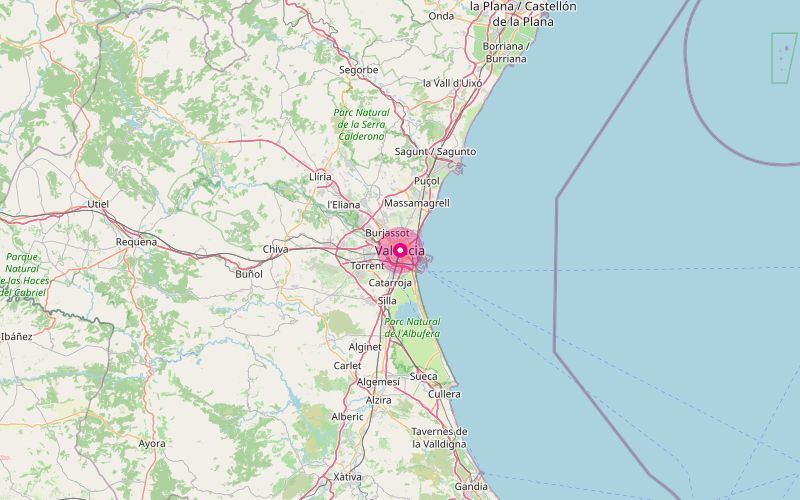
## Valencia at a glance The Denominación de Origen Valencia is located in the Valencian Community, on Spain’s eastern seaboard, around the city of Valencia and extending into the hinterland. The appellation was officially recognized in 1932, placing it among the historic denominations of the Spanish vineyard. It authorizes the production of white, rosé, red, fortified wines, and certain sparkling styles under the current specifications.
DO Valencia is not a continuous vineyard area, but rather a group of scattered sectors between coastal zones and inland plateaus. This discontinuity explains the strong diversity of profiles, from taut dry whites to ripe reds, as well as sweet muscats. The subzones most often cited are Alto Turia, Valentino, Moscatel de Valencia, and Clariano.
Valencia is not Spain’s most publicized appellation, but it plays a real role in the Levantine wine economy. Its reputation rests as much on Moscatel as on reds made from Mediterranean grape varieties adapted to drought. The regional style is better understood through the scale of its wine landscapes than through any single model.
## Terroir and geology The Valencia vineyard stretches from sectors close to the sea to clearly higher elevations inland. Alto Turia, in the northwest, is the highest and one of the coolest subzones, with vines planted on continental plateaus and slopes. By contrast, Moscatel de Valencia lies closer to the coast and accounts for a significant share of muscat production.
The geology combines limestone formations, marls, clays, and alluvial materials depending on the sector. Limestone soils are widely dominant in the inland areas and play a useful role in water regulation while also encouraging more clearly defined acidity in the wines. On some parcels, poor, stony textures naturally limit vine vigor.
In Valentino and Clariano, soils may alternate between deeper clay-limestone soils and leaner hillside terrain. This heterogeneity explains the coexistence of variable yields, contrasting ripeness levels, and quite different aromatic expressions from the same grape variety. The best sites generally seek a balance between water reserve, drainage, and diurnal range.
Relief matters as much as soil type. Altitude tempers Mediterranean excesses and helps preserve firmer acidity in both whites and reds. In a warming context, this topographical dimension is becoming a central lever for maintaining tension and delaying harvest.
## Climate The overall setting is Mediterranean, with hot, dry summers, abundant sunshine, and relatively mild winters. Rainfall remains limited and irregular, with a structural risk of water stress during the growing cycle. Rain often falls outside summer, sometimes in the form of intense storm episodes on the Levantine coast.
Proximity to the sea moderates temperatures in coastal areas and brings a certain degree of atmospheric humidity. These influences favor the floral and varietal expression of Moscatel, while also occasionally exposing the vine to greater disease pressure than inland. Sectors near the coast must therefore manage a delicate balance between ripeness, freshness, and sanitary condition.
As one moves inland, the climate becomes more continental. Temperature ranges increase, nights are cooler, and ripening can stretch out further, especially at altitude. These conditions favor straighter, less sun-driven profiles, notably for Merseguera, Macabeo, or certain reds based on Tempranillo and Monastrell.
Wind and altitude play a protective role in several areas. They partly limit heat excesses, keep the canopy healthy, and help preserve aromatic brightness. In this vineyard, the climate is therefore not simply hot: it varies significantly according to distance from the sea and the elevation of the parcels.
## Grape varieties Valencia’s ampelographic landscape is built around a core of local and Mediterranean varieties, complemented by a few grapes of broader origin. Among whites, Moscatel de Alejandría holds an emblematic place, especially for aromatic wines and sweet wines. Merseguera, a historic variety of eastern Spain, remains important for dry whites, often alongside Macabeo, Malvasía, or Pedro Ximénez depending on the sector.
Moscatel de Alejandría produces wines with floral, grapey, and citrus-driven notes, with immediate aromatic intensity. Merseguera generally offers a more discreet profile, with white fruit, dried herbs, and sometimes a saline or aniseed note depending on the origin of the grapes. Macabeo brings body and a relative neutrality that is useful in blends.
Among reds, Monastrell is one of the structuring grape varieties of the region, particularly well suited to heat and drought. Garnacha Tinta, Tempranillo, and Bobal are also present, although Bobal does not occupy here the central role it holds in neighboring Utiel-Requena. International varieties such as Cabernet Sauvignon, Merlot, or Syrah have also been introduced on many estates.
Rules governing plantings and blending fall under the DO specifications and have evolved over time. In practice, both single-varietal wines and blends are found, with fairly broad stylistic freedom. The clearest regional trait remains the adaptation of grape varieties to water stress and heat, more than any very strict blending orthodoxy.
## Wine styles Valencia’s dry whites range from simple, fruity profiles to more taut expressions from higher-altitude zones. Merseguera and Macabeo cuvées often seek freshness, with notes of pear, fennel, white flowers, and ripe citrus. Stainless-steel vinification dominates, but some producers also work with lees or partial oak aging to gain texture.
Moscatel wines form the appellation’s most immediately recognizable identity. In dry versions, they emphasize varietal perfume, with a supple palate and floral finish. In sweet or fortified versions, they unfold notes of fresh grape, orange peel, light honey, and sometimes exotic fruit, with very variable balances depending on sugar levels and harvest date.
Rosés are generally produced in an approachable, fruity, and direct style, often meant to be drunk young. They may come from varieties such as Garnacha, Bobal, Monastrell, or Tempranillo, either on their own or blended. Their interest lies above all in their frank fruit character rather than in any ambition for long aging.
Valencia’s reds cover a broad spectrum. The simplest versions emphasize ripe black fruit, sweet spices, and a supple structure, while more ambitious cuvées seek greater density, sometimes with barrel aging. Monastrell brings depth, substance, and a Mediterranean tone; Tempranillo often contributes more tannic definition; Syrah and Cabernet Sauvignon can reinforce color and frame.
Oak aging exists in the upper ranges, according to the usual Spanish categories when these are claimed. The best reds can hold for several years in cellar, especially when they come from high-altitude vines or moderate yields. Sweet muscats, for their part, age mainly through their tertiary aromas of candied fruit and citrus peel, but the style often aims more for expressiveness than for very long cellaring.
## Producers to watch - Bodegas Mustiguillo: a benchmark estate of the Valencian hinterland, best known for having highlighted high-altitude vineyards and indigenous grape varieties in a precise, restrained style. - Bodegas Vegalfaro: a producer committed to a more contemporary reading of the Valencian vineyard, with serious work on balance and high-altitude parcels. - Bodegas Nodus: an important house from the Utiel area and the Valencian orbit, appreciated for a broad range spanning accessible cuvées to more structured wines. - Toni Beneito / Celler del Roure: a major figure in the rediscovery of grape varieties and traditional practices in the Spanish Levant, with a noticeable influence on the qualitative perception of the wider region. - Cherubino Valsangiacomo: a historic name in Valencian viticulture, particularly linked to the production and dissemination of styles rooted in local tradition. - Pago Casa Gran: an estate recognized for its organic farming and for wines that privilege drinkability over demonstrative extraction.
## Food and wine pairings - A dry Moscatel works well with a fennel, orange, and shrimp salad, as its floral notes echo the citrus without overwhelming the iodine character. - A Merseguera white pairs effectively with vegetable or seafood paella, thanks to its moderate freshness and supple texture. - A Garnacha or Bobal rosé suits mildly seasoned Iberian charcuterie, grilled pepper tapas, or a savory Valencian coca. - A Monastrell red pairs with herb-roasted lamb, where the wine’s substance absorbs the richness and underscores the dish’s Mediterranean notes. - An oak-aged red blend can accompany a meat fideuà, rabbit rice, or grilled eggplant with a reduced jus. - A sweet Moscatel finds a good register with an apricot tart, a lightly salted blue cheese, or simply roasted almonds.
## FAQ ### Where exactly is the Valencia appellation located? DO Valencia is in the Valencian Community, on Spain’s east coast. It covers several discontinuous sectors between the Mediterranean coastline and the higher inland areas.
### What is Valencia’s most emblematic grape variety? Moscatel de Alejandría is the grape variety most immediately associated with Valencia, especially for aromatic and sweet wines. It nonetheless shares the regional identity with Merseguera among whites and Monastrell among reds.
### Does Valencia mainly produce sweet wines? No, although its sweet muscats are historic and important to its image. The appellation also produces dry whites, rosés, and reds in a wide variety of styles.
### What is the difference between Valencia and Utiel-Requena? They are two distinct denominations within the Valencian Community. Utiel-Requena is more continental and strongly associated with Bobal, whereas Valencia presents a more fragmented profile, with a more visible place for Moscatel and several subzones under different influences.
### Do Valencia wines have good aging potential? Most dry whites, rosés, and dry muscats are intended for relatively youthful consumption. Some well-situated red cuvées, concentrated without excess and aged with restraint, can nonetheless evolve favorably over several years.