Trentodoc, the traditional method of the Trentino Alps
At the foot of the Dolomites, Trentodoc crafts traditional-method sparkling wines that are taut, vinous, and precise. Altitude, varied soils, and long lees aging are the keys.
geoVINUM · 2026-11-04
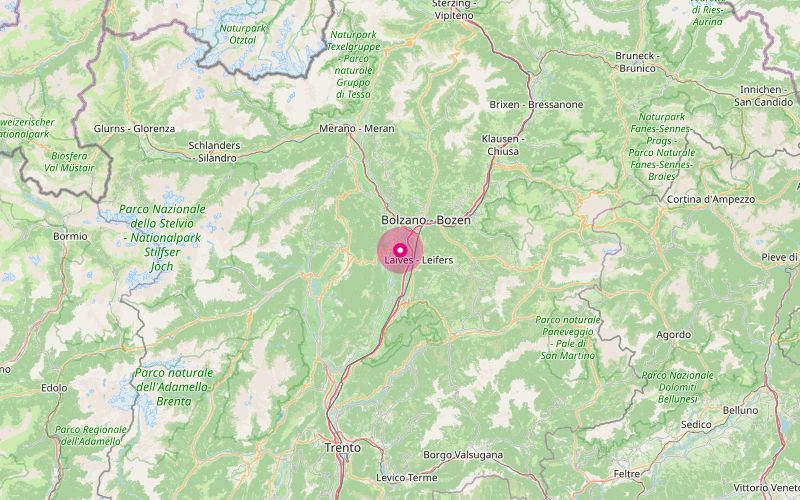
## Trentodoc in brief Trentodoc refers to quality sparkling wines made according to the traditional method in the province of Trento, within Trentino-Alto Adige, in northern Italy. The appellation obtained DOC status in 1993, building on a much older regional history of lees-aged wine production that began in the early 20th century. It covers only white and rosé sparkling wines, with or without vintage, and relies on extended aging that clearly places the category in Italy’s premium segment.
The authorized vineyard area stretches across the hillsides of Trentino, between valley floors and high-altitude slopes, in an Alpine amphitheater shaped by the Dolomites and by air currents coming from Lake Garda. The grapes come from often steep zones, where exposure and altitude matter as much as soil type. Trentodoc is therefore not simply a style indication; it is a precise territorial appellation, rooted in mountain viticulture and in the discipline of secondary fermentation in bottle.
The region has established itself as one of the benchmark poles of Italian sparkling wines made by the traditional method. It stands apart from other transalpine appellations through an identity that is more Alpine than Mediterranean, often marked by clear acidity, fine texture, and a profile that is more taut than showy. The systematic comparison with Champagne is common in commercial discourse, but it is reductive: Trentodoc has its own geological, climatic, and cultural matrix.
## Terroir and geology The Trentodoc area is defined by complex, fragmented relief, largely shaped by glacial and Alpine dynamics. The vines are planted on alluvial cones, moraine terraces, porphyritic slopes, and limestone or dolomitic formations depending on the valleys and exposures. This mosaic explains a wide diversity in water behavior, available reserves, and vine response to summer heat.
Moraine soils, widespread in several parts of Trentino, generally bring heterogeneous, stony, well-draining material. They favor controlled yields, steady ripening, and often linear base wines, well suited to sparkling production and lees aging. Limestone and dolomitic substrates frequently contribute a sense of tension and a more chiseled expression in the wines, even if the word “minerality” should remain a sensory description rather than a direct causality.
Areas dominated by porphyry, especially on certain slopes of ancient volcanic origin, often yield wines with firmer structure and a spicier or more austere profile in youth. By contrast, deeper alluvial zones can produce softer base wines, provided vigor is kept in check. The appeal of Trentodoc lies precisely in this ability to blend, within a single wine, lots drawn from very different soil contexts.
Topography is a determining factor. Altitude, orientation, and slope shape sunlight exposure, harvest date, and the balance between moderate phenolic ripeness and preserved acidity. In a sparkling-wine appellation, this balance is central: quality potential does not rest on the grape’s immediate richness, but on the precision of the base wine and its capacity to gain complexity over time on the lees.
## Climate The climate of Trentodoc is Alpine, though locally tempered by sub-Alpine and pre-Alpine influences. Days can be bright and relatively warm during the growing season, while nights remain noticeably cooler, especially at altitude. This diurnal range favors the preservation of organic acids and a slower aromatic evolution in the berries.
Air currents play a major role in keeping the vineyard healthy. Valley breezes and, farther south, the indirect influence of Lake Garda partly limit thermal excess and help improve cluster ventilation. In a region where some plots are steep and manual work remains important, this natural aeration helps maintain sound fruit, essential for harvests destined for the traditional method.
Rainfall varies according to sector and altitude, with a risk of summer precipitation that requires regular agronomic vigilance. The best sites are often those combining effective drainage, air circulation, and even ripening without excessive water stress. Climate change is now increasing the value of higher elevations and less scorching exposures, which are becoming essential levers for preserving the tension sought in sparkling bases.
The harvest calendar depends greatly on plot position. Lower areas ripen faster and can give more flesh, while higher zones more easily preserve acidity and more citrusy or floral profiles. This diversity of ripeness is an asset for houses and estates that work with blending in a precise way.
## Grape varieties Trentodoc is built first and foremost on chardonnay and pinot nero, which form the historical and qualitative backbone of the appellation. Chardonnay most often provides the foundation of freshness, finesse of mousse, fruit precision, and consistency from one year to the next. Pinot nero, vinified as a white or with skin contact adapted for rosé, brings greater structure, depth, and aging potential.
Pinot bianco and meunier are also permitted, but their role is more secondary in practice. Pinot bianco can contribute floral delicacy and a supple texture, while meunier remains more marginal than in other sparkling-wine regions. These varietal choices reflect a clear aim: to produce base wines that are sufficiently neutral, taut, and suited to autolysis, without seeking immediate aromatic power.
Blends vary depending on producer and cuvée. Non-vintage whites are often built around chardonnay, sometimes complemented by a share of pinot nero for backbone. Rosés generally rely on pinot nero, with a possible proportion of chardonnay depending on the style sought and the house rules.
The appellation is not defined by a single formula, but by technical discipline. The common point is the focus on grapes picked at measured ripeness, with moderate potential alcohol and enough acidity to support secondary fermentation and then long lees aging. In practice, this viticultural logic matters more than the simple list of authorized varieties.
## Wine styles The central style of Trentodoc is that of a traditional-method sparkling wine with fine bubbles, clean fruit, and structuring acidity. Non-vintage cuvées often aim for a balance between accessibility and complexity, with notes of citrus, apple, white flowers, and light toast from autolysis. Top-level versions gain depth with aromas of hazelnut, brioche, sweet spices, and sometimes dried fruit.
White wines dominate production and show profiles ranging from more taut to more vinous depending on altitude, dosage, and length of aging. Rosés, generally built on pinot nero, offer a little more textural relief, a more assertive core, and nuances of red berries, orange peel, and light underbrush with evolution. Mousse quality is a key marker of the appellation: it should serve the wine’s structure, not mask it.
The usual categories distinguish non-vintage cuvées, vintage wines, and reserves, with longer lees-aging requirements for the upper tiers. Dosage mentions follow international practice, from brut nature to demi-sec, even if the qualitative heart of the appellation often lies in brut or extra brut balances capable of preserving the wine’s tension. The most ambitious producers work with extended aging that gives the wines real capacity to age after disgorgement.
Aging potential is often underestimated. The best cuvées, especially vintage wines and those long aged on lees, can evolve favorably over several years, developing a creamier texture and nuances of dried fruit, discreet smoke, and pastry. This capacity for evolution clearly distinguishes Trentodoc from sparkling wines designed for quick consumption.
## Producers to watch - Ferrari Trento — The house that has contributed most to Trentodoc’s renown, with a broad range and benchmark cuvées based predominantly on chardonnay. - Cavit, Altemasi — A major cooperative player, reliable for Alpine freshness and cuvées with a coherent style-to-price ratio. - Rotari — An important producer from the Rotalian plain and neighboring slopes, recognized for clean, accessible, and technically accomplished styles. - Letrari — A consistent family estate, appreciated for precise, often elegant wines with good balance between fruit, autolysis, and tension. - Abate Nero — A house specialized in the traditional method, focused on careful aging and gastronomic profiles rather than demonstrative ones. - Maso Martis — A quality benchmark in organic farming, known for fine, distinctive cuvées clearly shaped by their origin.
## Food and wine pairings Trentodoc performs very well at the table thanks to its acidity, mousse, and ability to combine freshness with substance. The simplest cuvées work well as an aperitif, but the best belong across an entire meal. Some pairings are particularly convincing.
- Oysters, clams, or smoked trout with a taut brut white dominated by chardonnay.
- Herb ravioli, brown butter, and lemon with a straight, lightly dosed non-vintage cuvée.
- Mushroom or asparagus risotto with a vintage wine offering more volume and fine autolytic notes.
- Roast poultry with crisp skin, paired with a white reserve given extended aging.
- Tuna tartare or semi-cooked salmon with a dry rosé dominated by pinot nero.
- Aged Parmesan or Alpine tommes with a well-ripened extra brut or brut nature cuvée.
## FAQ ### What exactly is Trentodoc? Trentodoc is an Italian appellation reserved for sparkling wines made according to the traditional method in the province of Trento. The name therefore combines a precise territory with a demanding production technique, including secondary fermentation in bottle.
### Is Trentodoc produced like Champagne? Yes, in terms of method, because the sparkle is created in bottle and the wines age on their lees before disgorgement. However, the climate, soils, dominant grape varieties, and sensory profiles remain specific to Trentino.
### Which grape varieties dominate the appellation? Chardonnay and pinot nero are the two major varieties of Trentodoc. Pinot bianco and meunier are also authorized, but they play a more limited role in most blends.
### Can Trentodoc wines age? Yes, especially vintage cuvées and reserves that have benefited from long lees aging. With time, they gain complexity, texture, and aromatic depth without losing their axis of freshness.
### On what occasion should you open a Trentodoc? Trentodoc is equally suited to an aperitif and to the table, especially with ingredient-driven cuisine, delicate textures, and clean flavors. Rosés and reserve cuvées offer particularly interesting gastronomic versatility.