Touraine, the Loire’s many facets between tuffeau and river
At the heart of the Loire, Touraine is a broad but structured appellation, capable of producing lively whites, supple reds, crisp rosés, and fine sparkling wines.
geoVINUM · 2026-11-04
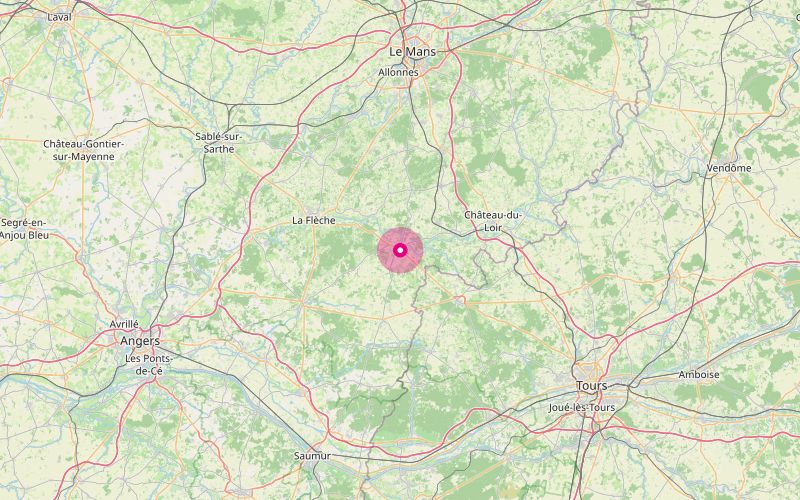
## Touraine in brief Touraine falls under the AOC Touraine in the Loire Valley, across a vast group of communes mainly in Indre-et-Loire and Loir-et-Cher, with extensions into Indre and, more marginally, into other Loire areas. It was recognized in 1939 for still wines, and the regulatory framework was later expanded to cover the different colors and styles produced today. Touraine is a widely distributed regional appellation centered on white, red, and rosé wines, to which are added sparkling wines made within the boundaries of the area. Its importance lies less in the image of a single cru than in its role as a stylistic crossroads between the middle Loire and the valleys of the Cher, Indre, and Vienne.
This appellation covers an extensive and fragmented vineyard, where plains, slopes, and plateaus coexist. Production is dominated by still wines that are approachable in their youth, but certain terroirs also yield more ambitious cuvées, especially whites on flint or limestone, and reds on clay-with-flint or tuffeau soils. The AOC also includes complementary geographical denominations such as Touraine-Amboise, Touraine-Azay-le-Rideau, Touraine-Chenonceaux, Touraine-Mesland, Touraine-Noble-Joué, and Touraine Oisly. This layering explains both the diversity of profiles and the difficulty of reducing Touraine to a single taste.
## Terroir and geology Touraine rests on the foundation of the Paris Basin, with a complex alternation of limestone, clay, sand, gravel, and flint. Tuffeau, the soft chalky limestone emblematic of the middle Loire, plays an important role in several sectors, especially on slopes and valley edges. It encourages good root penetration, moderate water reserves, and often a finer expression in both whites and reds. In the valleys of the Cher and the Indre, it is frequently associated with clays or colluvial deposits that modulate vine vigor.
The plateaus and high terraces often feature heavier clay-limestone soils, suited to supple reds and medium-structured whites. Sands and alluvial gravels, more common near the major waterways, generally produce earlier-ripening, lighter wines that are more immediately aromatic. Flint, whether scattered through clays or mixed with sandy-gravelly formations, plays an important role in certain sauvignon sectors, where it reinforces tension, precision, and aromatic clarity. This diversity of soils is one of the keys to understanding the appellation.
Topography remains moderate, without spectacular relief, but the slopes bring a decisive nuance. The best sites combine drainage, favorable exposure, and relative protection from excessive spring humidity. The valleys also shape milder mesoclimates, while plateau edges may be breezier and later-ripening. In an appellation this large, the notion of a precise site often matters more than the general idea of the region.
## Climate Touraine’s climate is temperate, transitional between oceanic influence and more continental tendencies as one moves away from the Atlantic. Winters remain moderate, summers are generally measured, and the late season plays a major role in achieving phenolic ripeness, especially for cabernet franc and côt. The Loire and its tributaries locally temper thermal variation, without eliminating the risk of spring frost. This remains a decisive vintage factor in several valleys.
Oceanic influence brings regular humidity, useful to the vine but conducive to certain fungal pressures. The natural ventilation of slopes and well-drained soils helps limit these risks, while low-lying areas may be more exposed to fog and stagnant moisture. Sunny and relatively dry autumns are particularly sought after, as they allow for the harvest of expressive whites and more complete reds without losing freshness. The Touraine style rests precisely on this balance between ripeness and acidity.
In warm years, limestone soils and certain cooler sites better preserve the wines’ tension. In cooler or wetter vintages, sauvignon generally retains its directness, while reds may show lighter and more vegetal if yields have not been controlled. Recent climate evolution has overall favored more consistent ripening, but it also raises the question of preserving the Loire identity built on freshness. Harvest dates are advancing, and managing the alcohol-acidity balance is becoming central.
## Grape varieties Sauvignon blanc is the flagship grape variety for dry whites in Touraine. It produces wines marked by citrus, white fruits, fine herbal notes, and sometimes a smoky or flinty touch depending on the soils. Chenin blanc is also permitted and present in the appellation, but it plays a less central role in the image of the generic AOC than in other Loire sectors. It can nonetheless produce more structured wines, sometimes better suited to short-term aging.
For reds, cabernet franc occupies an important place, often as a single-variety wine or as the base of a blend. It yields supple to moderately structured wines with notes of cherry, raspberry, and violet, along with noble vegetal nuances when ripeness is well achieved. Côt, the Loire name for malbec, has long been present in Touraine and brings color, substance, and a more assertive black-fruit register. Gamay usefully rounds out the red plantings with a lighter, crunchier, earlier-ripening profile.
Cabernet sauvignon is permitted in certain versions and may play a supporting role, but it is less identity-defining here than cabernet franc. For rosés, the same red varieties dominate, with gamay sometimes playing an important role for suppleness and bright fruit. Blending rules vary according to color and, above all, according to the complementary geographical denominations, which are often more prescriptive than the generic AOC Touraine. This regulatory flexibility contributes to the heterogeneity of the offer, from easy-drinking wine to terroir-driven wine.
## Wine styles Touraine dry whites are generally vinified in tank to preserve the fruit and varietal clarity of sauvignon. They offer a classic register of grapefruit, lemon, blackcurrant bud, green apple, and white flowers, with a lively, precise palate and often moderate alcohol. Oak aging exists but remains a minority practice in the generic appellation, where grape readability takes precedence over the search for volume. Most of these wines are best enjoyed within two to four years, even if the best cuvées from strong terroirs can go further.
Touraine reds often favor accessibility. Cabernet franc produces wines with moderate tannins and limited extraction, intended for fairly early drinking, but some producers achieve deeper, spicier cuvées after aging in tank, foudre, or carefully judged barrel. Côt can reinforce structure and color, but it requires sufficient ripeness to avoid tannic hardness. Depending on the vintage and cellar style, aging potential ranges from three to eight years, sometimes more for the most serious single-parcel cuvées.
Rosés are most often dry, direct, and meant to be drunk young. They may come from direct pressing or saignée, with a profile ranging from crunchy red fruits to a slightly spicy expression depending on the share of cabernet franc, côt, or gamay. Sparkling wines also exist within the Touraine area, generally made by the traditional method, in a light and floral rather than vinous register. They contribute to the appellation’s plural identity, even if they do not define its main image.
The complementary geographical denominations allow for finer stylistic distinctions. Touraine Oisly is particularly associated with more precise, more taut sauvignon whites. Touraine Chenonceaux stands out for more ambitious whites and reds centered on cabernet franc, while Touraine-Amboise and Touraine-Mesland reveal other faces of the Touraine mosaic. For the informed buyer, these mentions often provide a more precise reference point than the Touraine appellation alone.
## Producers to follow - Domaine Henry Marionnet: a historic player in Soings-en-Sologne, recognized for the precision of its Loire wines and its work on grape varieties and massal selections. - Domaine des Grandes Espérances: a benchmark house in Touraine, consistently strong in sauvignon whites as well as traditional-method cuvées. - Domaine de la Renaudie: a serious Touraine Chenonceaux estate, appreciated for its clean whites and well-built cabernet franc reds. - Domaine Sauvète: based in Monthou-sur-Cher, it produces organic Touraine and Touraine Chenonceaux wines that are direct and easy to read. - Domaine François Chidaine: best known for Montlouis and Vouvray, it also produces rigorous whites in Touraine that illustrate the potential of Loire terroirs. - Domaine Mérieau: a safe bet in the Montrichard sector, with a broad range and reliable benchmarks in Touraine red, white, and sparkling wines.
## Food and wine pairings - Touraine blanc based on sauvignon with fish rillettes or warm rillons: the acidity cuts through the richness and highlights the saline register. - Flint-driven Touraine blanc with Crottin de Chavignol or Sainte-Maure-de-Touraine: the pairing plays on tension, fine herbal notes, and chalky texture. - Touraine rouge from cabernet franc with herb-roasted chicken: the moderate tannins and red fruit support without dominating. - A more structured Touraine rouge, with a share of côt, with duck fillet or grilled meats: the wine’s substance responds better to more sanguine flesh. - Dry Touraine rosé with charcuterie, lentil salad, or summer tomato-and-basil cooking: the directness of the fruit works through simplicity. - Touraine fine bubbles with gougères, zucchini flower fritters, or a lightly sweet white-fruit dessert: texture-based pairings should be favored over power.
## FAQ ### Where exactly is the Touraine appellation located? The AOC Touraine is located in the heart of the Loire Valley, around Tours and in the neighboring valleys of the Cher, the Indre, and the Vienne. Its area is broad and mainly covers communes in Indre-et-Loire and Loir-et-Cher.
### Is Touraine an appellation or a wine region? Touraine refers both to a historic region and to a controlled appellation of origin. In wine language, one must distinguish the AOC Touraine from the other AOCs located in Touraine, such as Vouvray, Chinon, or Bourgueil, which have their own specifications.
### What is the main white grape variety in Touraine? Sauvignon blanc is the most emblematic grape variety for dry whites in the AOC Touraine. It produces lively, aromatic wines that are generally intended to be enjoyed young.
### What reds should one expect from Touraine? The reds are based mainly on cabernet franc, sometimes complemented by côt and gamay. The dominant style favors fruit, suppleness, and moderate structure, although certain terroir cuvées gain in depth.
### How long can a Touraine wine be cellared? Most Touraine whites, rosés, and reds are meant to be drunk in their youth, often between two and five years after the harvest. The best cuvées from selected terroirs or complementary denominations can age longer, especially taut whites or well-ripened cabernet franc reds.