Slovenian Wine: An Alpine, Adriatic, and Danubian Crossroads
Small in size, Slovenia brings together three major wine worlds. White wines dominate, but the reds of the Karst and its skin-contact wines have established a distinctive signature.
Audrey Sousa Chaillet · 2026-06-12
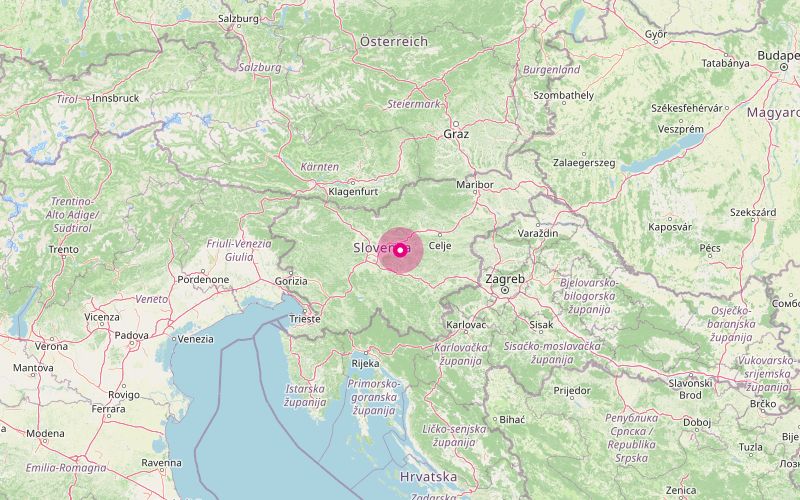
## Slovenia in brief Slovenia lies between Italy, Austria, Hungary, and Croatia, at the meeting point of Alpine, Adriatic, and Pannonian influences. Its vineyard heritage is ancient, but the country has existed as an independent state only since 1991, following the breakup of Yugoslavia. Production is mostly white, with a clear predominance of small holdings and family estates. The vineyard is structured around three main regions, Primorska, Podravje, and Posavje, themselves divided into historic districts.
Slovenia remains a small producer on the European scale, but its qualitative density is high. The domestic market absorbs a significant share of volumes, which explains why its international visibility long remained limited. Since the 1990s, several estates have gained global recognition thanks to terroir-driven whites, skin-contact wines, and a more precise understanding of local grape varieties. The country’s contemporary reputation rests less on quantity than on the identity of its wines.
## Terroir and geology The Slovenian vineyard rests on a mosaic of soils and reliefs that change rapidly over short distances. This fragmentation explains the diversity of wine profiles, from the marly hills of the west to the cool slopes of the northeast and the more continental terroirs of the southeast. The country has preserved a strong culture of the parcel and hillside vineyard, often difficult to mechanize. This topography encourages naturally moderate yields and precision viticulture.
Primorska, in the west, is the best-known face abroad. Brda, the Slovenian extension of Italy’s Collio, rests on ponca, an alternation of marl and friable sandstone that drains well while retaining some useful moisture. The Vipava Valley combines flysch, marl, sandstone, and more alluvial areas, with varied exposures suited equally to whites and reds. The Kras, or Karst, stands out for its red soils rich in iron oxides over a limestone base, the historic setting of Teran.
Podravje, in the northeast, is a landscape of cooler hills and valleys influenced by the Danubian basin. The areas of Štajerska Slovenija and Prekmurje mainly produce taut whites, often from elevated or well-ventilated sites. Soils there mix marls, clays, sands, gravels, and alluvial deposits depending on the valley. This diversity supports a style of viticulture focused on aromatics, freshness, and generally clear alcohol-acid balance.
Posavje, in the southeast, is the most continental region and the most traditional in its local practices. It features marly and clay soils as well as alluvial formations, with gentler hillscapes. The region remains associated with everyday drinking wines, but it also produces more ambitious bottlings. It is also the birthplace of Cviček, a light and singular blend deeply rooted in Slovenian culture.
## Climate The Slovenian climate results from the meeting of three major influences. The west receives Adriatic breath, which tempers winters and promotes even ripening, without erasing the thermal variation of hillside sites. The north and northeast are more clearly continental, with marked seasons and a more significant spring frost risk. Altitude and exposure therefore play a decisive role in the ripening calendar.
In Primorska, proximity to the sea and the partial protection of the relief allow harvests of fine ripeness, useful for Rebula, Malvazija Istriana, or Bordeaux varieties. The Bora, a cold, dry wind well known in the Vipava Valley and on the Karst, helps keep the vines healthy but can also increase water stress. In the Kras, this combination of wind, limestone, and red soils produces thick-skinned grapes and vivid reds. The whites of the west often retain a saline frame and a structure suited to aging.
In Podravje, freshness is a central asset. Colder nights preserve aromatic precursors and support acidity, favoring dry whites, balanced sweet wines, and sometimes sparkling wines. Cool vintages accentuate varietal precision, while warmer years produce broader wines without necessarily losing tension. Posavje, more continental, oscillates between ripeness useful for red varieties and high acidity, which remains the key to local styles.
## Grape varieties Slovenia works with both indigenous varieties, Central European grapes, and varieties widely shared with neighboring countries. In the west, Rebula, the Slovenian name for Ribolla Gialla, has become the emblem of Brda and one of the best vehicles for skin maceration. Malvazija Istriana holds an important place in Slovenian Istria and in Primorska, with expressions ranging from vivid white to more structured skin-contact wine. Teran, derived from Refosco in the Kras, yields acidic, firm, spicy reds marked by tart cherry and an earthy tone.
Among the other varieties of Primorska are Zelen and Pinela in the Vipava Valley, two local grapes appreciated more for their identity than for their volume. Merlot, Cabernet Sauvignon, and sometimes Cabernet Franc have also found a lasting foothold there, especially in the warmest sectors. Chardonnay, Sauvignon Blanc, and Pinot Gris complete the plantings, with variable results depending on the style sought. Blends are common and often reflect estate logic more than any strict, uniform national obligation.
Podravje relies mainly on Central European white varieties. Laški Rizling, the equivalent of Welschriesling, is very widespread there, alongside Šipon, the local name for Furmint, Sauvignon Blanc, Pinot Blanc, Riesling, and Traminer. Müller-Thurgau, Pinot Gris, and Chardonnay are also present, depending on the area and planting history. These grapes produce aromatic dry wines, riper lees-aged bottlings, as well as sweet wines in the right years.
Posavje readily blends several grapes in traditional styles. Cviček is usually based on a mix of white and red grapes, including Kraljevina, Žametovka, Blaufränkisch, and other local or regional varieties depending on practice. The aim is less power than drinkability, with low alcohol, marked acidity, and a light to pale ruby color. This blending logic is part of the region’s cultural identity.
## Wine styles White wines dominate Slovenian production, and their range extends from incisive dry wines to broad gastronomic whites. In Podravje, the most convincing styles rely on aromatic precision, straight acidity, and moderate élevage that respects the fruit. In Primorska, the substance is often broader, with whites capable of carrying oak, lees, or maceration. Some Šipon, Rebula, Malvazija Istriana, or white Bordeaux blends age with real staying power.
So-called orange wines have greatly contributed to the country’s recent reputation, even if the practice of macerating white grapes there did not emerge ex nihilo in the 1990s. The contemporary scene was chiefly structured around Slovenian and Friulian growers who brought skin fermentations, long élevage, and more committed viticulture back to the forefront. Rebula is particularly well suited to this register thanks to its resilient skin, its acidity, and its relative neutrality, which allow site and élevage to speak. The best examples are not a passing trend, but a search for texture, stability, and depth.
Slovenian reds remain less visible than whites, but certain terroirs produce wines of character. Teran from the Kras stands out for its vibrancy, deep color, firm tannins, and profile of tart red fruits, often lifted by an iron-like note. In Primorska, Merlot sometimes gives supple, ripe wines, while blends with Cabernet gain structure on well-exposed sites. Posavje remains faithful to lighter reds or traditional table blends.
The hierarchy of designations is based on national quality categories and on the names of regions, districts, and sometimes sites. For foreign readers, the most useful reference points remain the names of the three major regions, followed by those of subregions such as Brda, Vipavska dolina, Kras, or Štajerska Slovenija. Oak aging exists, but it is not systematic and tends to be better integrated than in the past in top-tier bottlings. The best Slovenian wines, whether white, orange, or red, can evolve favorably over several years, sometimes far longer for the most serious skin-contact cuvées.
## Producers to watch - Movia: a Brda estate, a major figure in contemporary Slovenian viticulture, recognized for its terroir whites, maceration wines, and precise élevage. - Edi Simčič: a Brda benchmark for ambitious whites and reds, combining ripeness, structure, and a clear reading of ponca. - Marjan Simčič: one of the most solid names in Goriška Brda, with a focused range in Rebula, Chardonnay, and parcel-based blends. - Klinec: an emblematic Brda estate for skin-contact wines, working on texture, amphorae, and long élevage without sacrificing fruit clarity. - Batič: a historic player in the Vipava Valley, important for local varieties, structured whites, and a coherent biodynamic approach. - Ptujska Klet: a large historic winery of Podravje, useful for understanding the potential of northeastern whites and the region’s longstanding roots.
## Food and wine pairings A dry Rebula from Brda pairs well with baked oysters, clams, herb risotto, or river trout. Its tension and slight bitterness on the finish suit briny dishes and vegetable-based preparations. Lees-aged versions come into their own at the table with fleshier fish.
A Malvazija Istriana pairs with grilled squid, white asparagus, roast chicken with lemon, or seafood pasta. The grape often combines freshness, texture, and a register of Mediterranean herbs. It works well with simple, precise Adriatic cuisine.
An orange wine made from Rebula or Malvazija calls for dishes with tactile depth. One might choose roast poultry with mild spices, root vegetables, a lightly sweet tajine, or pressed cheeses. The skin tannins and noble bitterness call for more structured cuisine than a classic white would.
A Teran from the Kras suits smoked charcuterie, Karst ham, game birds, or roasted beets. Its high acidity cuts through fat, while its earthy character answers rustic preparations. It can also surprise alongside assertive tomato-and-olive cooking.
A dry or off-dry Šipon from Podravje pairs with smoked fish, moderately spiced Asian cuisine, or pan-seared foie gras depending on the sweetness level. Its acidic backbone gives it great versatility. In its finest versions, it can handle delicate pairings without saturating the palate.
## FAQ ### Is Slovenia mainly a country of orange wines? No. Skin-contact wines have contributed greatly to its recent notoriety, but most production still consists of classic dry whites, along with some reds and traditional regional wines. Reducing Slovenia to orange wines alone would obscure the diversity of Podravje, Posavje, and Primorska.
### Which is the best region for discovering Slovenian wines? That depends on the style you are looking for. Primorska is the most obvious gateway for lovers of Rebula, Malvazija, and skin-contact wines, while Podravje is better suited to those seeking fresh, aromatic whites. Posavje is more discreet, but invaluable for understanding local tradition.
### Are Rebula and Ribolla Gialla the same grape? Yes. Rebula is the Slovenian name for the grape known in Italy as Ribolla Gialla. It expresses itself particularly well on the marls and sandstones of Brda, where it can produce dry whites, maceration wines, and ageworthy bottlings.
### Is Slovenian Teran a great ageworthy red wine? It can age, but its main interest lies first in its energy, acidity, and terroir identity. The best bottles gain complexity over a few years, without necessarily aiming for the density or longevity of Europe’s most concentrated great reds. It is a red of tension more than power.
### Which grape varieties should be remembered first? For local identity, one should mention Rebula, Malvazija Istriana, Teran, Zelen, Pinela, and Šipon. To understand the reality of the vineyard, one should add Laški Rizling, Sauvignon Blanc, Pinot Blanc, Chardonnay, Merlot, and Cabernet Sauvignon. Slovenia exists precisely in this dialogue between indigenous varieties and shared regional inheritances.