Winegrowing Mexico: Ancient Cradle, Vineyard in Transition
The first winegrowing territory of the New World, Mexico combines colonial heritage, climatic constraints, and a qualitative rise centered around Baja California.
Audrey Sousa Chaillet · 2026-11-03
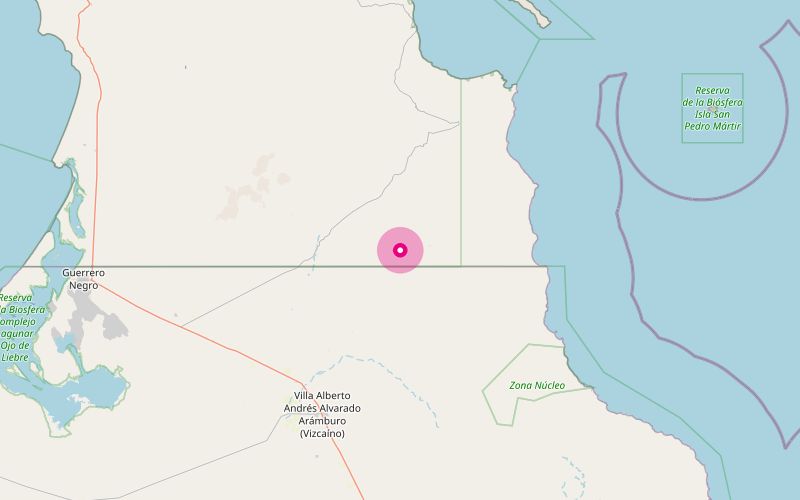
## Mexico at a glance Mexico holds a singular place in the history of wine in the Americas, because the vine was introduced there as early as the 16th century after the Spanish conquest. Hernán Cortés ordered the planting of vines in New Spain in 1524, making the country the oldest enduring European winegrowing center on the American continent. Current production remains modest on a global scale, but it is strategically important in the Latin American landscape because of its age, its diversity of climates, and the qualitative progress of its estates.
The Mexican vineyard is concentrated mainly in the north and center of the country, with a clear dominance of Baja California. Red wines hold the majority share, but whites, rosés, and sparkling wines are gaining visibility, especially in the central high-altitude zones. Exact figures for vineyard area vary depending on the source and on whether table grapes and distillation grapes are included; it is therefore more rigorous to speak of a small-scale vineyard centered on a few clearly identified production basins.
The sector’s institutional recognition rests less on a European-style hierarchy of appellations than on indications of origin, regional brands, and producer reputation. Valle de Guadalupe, in the state of Baja California, is now the area most clearly identified by the market. Mexico thus remains a wine country still building its regulatory framework, but one already legible through its terroirs, historic houses, and stylistic signatures.
## Terroir and geology The qualitative heart of the Mexican vineyard lies in Baja California, in the country’s northwest, near the border with the United States. Valle de Guadalupe, about 30 kilometers northeast of Ensenada, accounts for a major share of the cellars and the national wine narrative. Its reputation rests on the proximity of the Pacific Ocean, the diversity of exposures, and the presence of a mosaic of soils suited to Mediterranean grape varieties.
The soils there are far from uniform. One finds decomposed granitic materials, sands, silts, clays, and stony sectors that encourage very different water dynamics depending on the parcel. This heterogeneity explains the multiplication of block selections and the growing interest in a finer reading of the vineyard map, even if the vocabulary of crus remains only lightly codified.
Other important regions complete this picture. In the state of Coahuila, the Parras valley offers high-altitude winegrowing oases within a semi-desert environment; it is there that Casa Madero is located, founded in 1597 and often presented as the oldest working winery in the Americas. Further inland, Querétaro has asserted itself thanks to its elevated vineyards, often around 1,800 to 2,000 meters, where thermal conditions favor base wines for sparkling production.
Mexican terroir therefore cannot be reduced to a single model. It combines cooled coastal valleys, high-altitude plateaus, irrigated arid zones, and historic inland basins. This geological and topographical plurality gives the country a broader palette than its image as a hot-climate vineyard alone would suggest.
## Climate Climate is the main differentiating factor in Mexican wine. In Baja California, viticulture benefits from a Mediterranean influence that is rare in the country, though in a drier and brighter version than on the northern shore of the Mediterranean. Ocean breezes, fog, and the thermal amplitude between hot days and cooler nights help preserve a degree of freshness despite strong solar pressure.
Water is the central issue. Rainfall is low in most of the qualitative regions, which makes irrigation frequent and sometimes decisive for the economic viability of estates. Water stress, if controlled, can concentrate the grapes; if it becomes excessive, it compromises ripeness balance and accentuates alcohol levels.
In the central high-altitude vineyards, such as Querétaro, temperatures are moderated by elevation. The growing cycle there is influenced by a summer rainy season, which requires a different kind of sanitary vigilance than in Baja California. These contrasts explain regional specialization: structured reds and blended wines in the northwest, sparkling wines and livelier wines in certain elevated central zones.
Climate change is intensifying already visible issues: water availability, earlier harvest dates, protection against excessive heat, and the search for better-exposed or higher sites. The Mexican vineyard is responding through empirical adaptation: choice of rootstocks, canopy management, night harvesting, and reassessment of planted varieties. The style of the wines therefore depends as much on terroir as on the technical ability to manage rapid ripening in an arid context.
## Grape varieties Mexico does not have a single dominant vineyard composition, but rather a cosmopolitan repertoire dominated by Spanish, French, and Italian varieties. For reds, Cabernet Sauvignon, Merlot, Tempranillo, Syrah, Grenache, Mourvèdre, and Nebbiolo are among the most visible grape varieties in the premium offering. Nebbiolo, with no connection to Piedmontese criteria of expression, has acquired in Mexico an almost emblematic status in certain blends and single-varietal cuvées in the north.
Baja California long favored grape varieties suited to heat and oak aging. Bordeaux- or Rhône-style blends are common there, sometimes complemented by Zinfandel, Carignan, or Petite Sirah depending on the estate. Tempranillo often yields sun-filled, supple wines, while Syrah and Grenache are well suited to the windiest zones.
For whites, Chenin Blanc played an important historical role and remains a significant grape variety in the Mexican landscape. Sauvignon Blanc, Chardonnay, Viognier, Colombard, and sometimes more recent plantings aimed at aromatic freshness are also found. Whites are not merely a secondary category: in the best-tempered sectors, they offer a useful reading of the country’s potential for finesse.
There are no nationally codified blending rules comparable to those of the great European appellations. Producers enjoy considerable freedom, which encourages experimentation but complicates legibility for the consumer. This flexibility explains the diversity of profiles, from straightforward varietal cuvées to ambitious blends designed for aging.
## Wine styles The most widespread style remains dry red, ripe, generous, and often oak-aged. In warm zones, the wines frequently combine black fruit, sweet spices, ample texture, and elevated alcohol. The best examples avoid heaviness thanks to precise harvest timing, measured extraction, and a share of freshness preserved through maritime influence or altitude.
Mexican whites deserve growing attention. Chenin Blanc, Sauvignon Blanc, or Chardonnay cuvées can show profiles ranging from ripe roundness to more taut expressions, depending on the site and the winemaker’s hand. Tank aging dominates for the most direct styles, while some gastronomic cuvées use oak, lees, or partial barrel fermentations.
Rosés are progressing with the rise of wine tourism and contemporary dining. They are generally vinified for early consumption, in a fruity and saline register well suited to seafood and spicy cuisines. Orange wines and low-intervention cuvées also exist, but they still belong more to a niche than to a dominant trend.
Querétaro has established itself in sparkling wines, often made according to the traditional method. Altitude there helps preserve the acidity of the base grapes, an essential condition for balanced wines. Aging potential remains mainly the preserve of parcel-selection reds and certain long-aged cuvées; the best can evolve over several years, but most Mexican wines are conceived for relatively early accessibility.
## Producers to watch - Casa Madero, Coahuila: founded in 1597 in Parras, this historic house remains a benchmark for understanding the chronological depth of Mexican wine and the diversity of its styles. - L.A. Cetto, Baja California: a major player in Valle de Guadalupe, essential for gauging the scale of regional production and the reach of Mexican wine on its domestic market. - Monte Xanic, Baja California: a pioneering estate in qualitative modernization, recognized for its precise blends and its role in the premiumization of the national vineyard. - Adobe Guadalupe, Baja California: an emblematic producer of Mediterranean red blends, associated with a careful reading of terroir and structured wine tourism. - Santo Tomás, Baja California: a historic house of Ensenada, important for the region’s winegrowing continuity and for the breadth of its range. - Freixenet México, Querétaro: a key name for understanding the rise of Mexican sparkling wines and the specialization of the central high-altitude vineyards.
## Food and wine pairings - Tacos al pastor and a Grenache-Syrah-based red: the wine’s ripe fruit and spices complement the seasoning without hardening the whole. - Mole poblano and a barrel-aged Bordeaux blend: the tannic structure and oaky notes respond to the sauce’s chocolatey, spicy complexity. - Fish ceviche and a Chenin Blanc or Sauvignon Blanc white: the wine’s acidity supports the citrus and the dish’s briny texture. - Roast cabrito and Mexican Nebbiolo: the firm tannic structure and aromatic length suit flavorful, slightly fatty flesh. - Chili-grilled shrimp and a dry rosé from Baja California: the rosé tempers the heat while retaining real mouthwatering tension. - Pressed cheeses and a Tempranillo red: the ripe fruit and polished tannins create a simple, effective, and clear pairing.
## FAQ ### Is Mexico really the oldest wine country in the New World? Yes. For European-origin viticulture durably established in the Americas, Mexico holds a foundational place. The vine was introduced there and encouraged by the Spanish authorities as early as the 1520s.
### Where is Mexico’s main wine region? The most recognized area is Valle de Guadalupe, in Baja California, near Ensenada. It concentrates a large number of estates, visitors, and benchmark cuvées.
### What is the dominant style of Mexican wines? Dry, ripe reds, often aged in barrel, remain the most visible style. That said, the sparkling wines of Querétaro and certain whites from temperate climates significantly broaden the country’s image.
### Does Mexican Nebbiolo resemble that of Piedmont? Not really. In a hotter, drier climate, it generally yields wines that are sunnier, more generous, and less strictly comparable to the classic expressions of Barolo or Barbaresco.
### Does Mexico produce mainly for export? The domestic market plays a major role in the sector’s economy. Exports do exist, but growth in domestic consumption, wine tourism, and the restaurant trade remains decisive for producer development.