Menetou-Salon, the Other Great Terroir of the Centre-Loire
Northeast of Bourges, Menetou-Salon produces taut whites and precise pinots on the limestones of Berry. A discreet, serious appellation, and far more diverse than is often said.
Audrey Sousa Chaillet · 2026-06-12
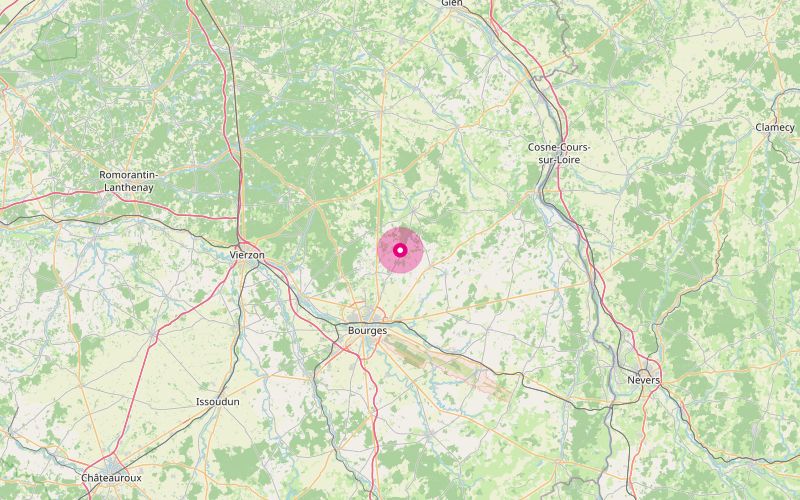
Menetou-Salon in Brief
Menetou-Salon is a controlled designation of origin in the Centre-Loire, located in the Cher department, northeast of Bourges. The AOC was recognized in 1959 for white wines, then extended in 1973 to red and rosé wines. It covers a small vineyard spread across ten communes around Menetou-Salon, with sauvignon blanc for whites and pinot noir for both reds and rosés.
The appellation belongs to the same Loire ensemble as Sancerre, Pouilly-Fumé, Quincy and Reuilly, but it retains a distinct identity, less exposed in the media and often more restrained in its expressions. Its size remains modest on the scale of the Loire Valley, which encourages a more parcel-driven and more artisanal reading of the vineyard. The best wines combine aromatic clarity, calcareous structure and balance without showiness.
Menetou-Salon’s reputation was long built in the shadow of Sancerre, its larger and better-known neighbor. This comparison is useful for locating the style, but it becomes reductive if it prevents one from seeing the local nuances of relief, soils and ripeness. The whites often find a form of saline straightness here, while the reds aim more for finesse of texture than for power.
Terroir and Geology
The vineyard lies within the hills of the Pays Fort and the Champagne berrichonne, with rolling slopes, varied exposures and moderate altitude. Vines are planted on gentle reliefs that promote air flow and, depending on the sector, limit excess vigor. This topography helps differentiate ripening dates and wine profiles within an appellation that is nonetheless compact.
Geologically, Menetou-Salon rests largely on Upper Jurassic limestone formations, notably Kimmeridgian marls and limestones, close to those found in Sancerre and certain sectors of Chablis. This geological kinship partly explains the acidic tension, chalky nuances and stony sensation found in the best whites. Shortcuts should be avoided, however: the same geological family does not produce identical wines, because soil depth, exposure, plant material and farming practices markedly alter the results.
The soils combine clays, marls and limestones, with locally more superficial caillottes and deeper earths depending on the slopes. The thinnest sectors often produce more concentrated grapes and sharper expressions; more clay-rich soils favor slightly broader palates and softer pinots. This heterogeneity explains why Menetou-Salon cannot be reduced to a single taste of terroir, but rather to a range of nuances around a shared calcareous foundation.
The major agronomic challenge is preserving the balance between water supply and phenolic ripeness, especially in the context of warmer vintages. Growers who work the soils carefully, control yields and adapt harvest dates achieve the most accurate expressions. Precision in reading each parcel becomes more important here than stylistic effects in the cellar.
Climate
Menetou-Salon has a temperate climate with semi-continental influence, with relatively cool winters, springs sometimes exposed to frost and summers that can alternate between mild weather and hotter episodes. Continentality is more noticeable here than in the more westerly Loire sectors. This setup favors marked growing cycles and ripeness variations from one year to the next.
The risk of spring frost remains a structuring factor for the appellation, as in much of the Centre-Loire. It can reduce volumes, shift harvest balances and heighten the selection of the best-protected parcels. Rainfall remains moderate, but its distribution through the season matters as much as its raw total.
In cool vintages, sauvignon blanc gains in nerviness, citrus notes and floral definition. In sunnier years, it develops more ripe fruit while retaining, on good terroirs, a sufficient acidic backbone. Pinot noir, for its part, reveals vintage conditions clearly: it can lean toward crunchy cherry and peony in classic years, or toward fuller textures when ripeness rises.
Climate change is gradually altering the production framework. Harvests come earlier more frequently, the question of preserving acidity becomes central, and choosing picking dates becomes more tactical. The most convincing estates are often those seeking less richness than the balance of flesh, energy and readability of the soil.
Grape Varieties
The grape makeup of Menetou-Salon is simple and clear. Sauvignon blanc is the exclusive variety for the appellation’s white wines, while pinot noir is used for red and rosé wines. This specialization aligns Menetou-Salon with the varietal model of the Centre-Loire, where the identity of appellations is shaped more by terroir and style than by ampelographic diversity.
Sauvignon blanc occupies a central place in the appellation’s image. On the limestones of Berry, it produces wines marked by white flowers, citrus, fresh apple, sometimes hints of blackcurrant bud or struck stone, with generally straight acidity. Its success depends less on aromatic intensity than on texture quality and saline length on the palate.
Pinot noir expresses another side of the vineyard. It produces supple to medium-bodied reds oriented toward cherry, raspberry, redcurrant, sometimes notes of sweet spice or light undergrowth with age. As rosé, it privileges freshness, fruit clarity and delicate structure rather than deep color or abundant substance.
There is no tradition, in the spirit of the appellation, of complex blending with accessory grape varieties. This relative varietal austerity is in fact a strength: it allows the effects of place, vintage and farming choices to be read more clearly. For the enthusiast as for the professional, Menetou-Salon thus offers an excellent case study in the interaction between two grape varieties of Burgundian origin and a calcareous Loire terroir.
Wine Styles
The whites of Menetou-Salon form the qualitative and commercial core of the appellation. The classic style is based on tank vinification, aiming for purity of fruit, varietal clarity and tension. The best examples, however, go beyond simple primary expression: they gain depth through lees aging, sometimes extended, which broadens the palate without erasing freshness.
Barrel aging exists with some producers, but it generally remains discreet when well handled. The goal is not to disguise sauvignon blanc or artificially bring it closer to other models, but to add structure, gentle oxygenation and sometimes smoky or spicy complexity. The most accurate cuvées retain a straight, almost chalky finish that signs the terroir more surely than the aromatics.
The aging potential of the whites is often underestimated. Entry-level cuvées are mainly intended for drinking in their youth, when their fruit and energy are most immediate. Wines from fine parcels, properly ripe and raised with precision, can evolve favorably over several years, then gaining notes of wax, dried herbs, ripe white fruit and warm stone.
The reds of Menetou-Salon seek drinkability and precision first. Tank vinification, with measured extraction, suits the local identity of pinot noir well; new oak, when dominant, tends to harden or standardize the wines. The best bottles offer fine grain, genuine freshness and a clear red-fruit expression, sometimes with added depth in balanced vintages.
Rosés remain a more discreet production, but they have their place in the appellation’s economy and identity. Made from pinot noir, they privilege tension, pale color and aromas of small red berries, citrus and sometimes flowers. Served at the table rather than simply as an aperitif, they often show their interest more clearly.
Producers to Watch
- Domaine Pellé: a leading reference for the appellation, with precise parcel work and whites among the most complete in the Centre-Loire.
- Château de Menetou-Salon: a historic property that has played a major role in local renown and offers a consistent range in all three colors.
- Domaine Chavet: an estate known for clean, readable wines faithful to the appellation’s taut, fruity style.
- Domaine de Châtenoy: a reliable Menetou-Salon benchmark, appreciated for the consistency of its whites and the straightforward character of its reds.
- Domaine Philippe Gilbert: a demanding approach in both vineyard and cellar, with wines that are often more textured and ambitious.
- Domaine Antoine Van Remoortere: a young address closely followed for precise, energetic cuvées firmly rooted in limestone.
Food and Wine Pairings
Menetou-Salon blanc works naturally with Loire goat cheeses, notably young or lightly matured crottins. The pairing is based on a logic of acidity, salt and texture rather than simple regional proximity. The wine’s tension cuts through the cheese’s richness and extends its lactic and caprine nuances.
With fine oysters, clams or sea bream tartare, the local sauvignon blanc offers a more composed reading than some more demonstrative whites. Its straight freshness and stony accents support the briny character without overwhelming it. Discreet lees aging can even strengthen the pairing with denser seafood flesh.
River fish such as zander or trout find a logical partner here, especially with restrained cooking and lightly marked sauces. A dry Menetou-Salon blanc pairs well with trout meunière, zander with a light beurre blanc or a herb fish terrine. The essential point is to preserve the dish’s finesse.
For the reds, the most accurate pairings lean toward roast poultry, pink veal, terrines and mushrooms. A Menetou-Salon pinot noir pairs coherently with a chicken supreme, pan-fried sweetbreads or a girolle fricassée. Its aromatic register and moderate structure avoid overly harsh contrasts.
Rosés pair well with simple, precise cooking, such as a lentil salad with herbs, jambon persillé or light grills. They can also prove convincing with moderately spiced cuisines, provided sweetness and overly powerful sauces are avoided. Their appeal lies more in their freshness than in their volume.
FAQ
Where exactly is Menetou-Salon located?
Menetou-Salon is located in the Cher, northeast of Bourges, within the Centre-Loire vineyard. The appellation extends around the village of Menetou-Salon across ten wine-growing communes.
Is Menetou-Salon comparable to Sancerre?
Yes, to a certain extent, because the two appellations share sauvignon blanc, pinot noir and part of the same calcareous geology. But Menetou-Salon has a smaller scale, its own reliefs and often slightly more discreet styles, which justifies considering it on its own terms.
Which grape varieties are authorized in the appellation?
Sauvignon blanc is used for white wines. Pinot noir is reserved for red and rosé wines. This simple rule gives the appellation a clear identity.
Do Menetou-Salon wines age well?
Entry-level whites and reds are readily enjoyed in their first years for their bright fruit. The best white cuvées, and certain well-born reds, can evolve harmoniously over several years if the initial balance is solid.
What dishes should Menetou-Salon be served with?
The whites pair particularly well with Loire goat cheeses, shellfish and delicate fish. The reds suit poultry, mushrooms, terrines and delicate meats rather than powerful preparations.