South Island: The Backbone of New Zealand Viticulture
From Marlborough to Central Otago, the South Island concentrates the bulk of New Zealand’s viticulture and its most recognizable styles: incisive Sauvignon Blanc, precise Pinot Noir, sparkling wines, and aromatics.
geoVINUM · 2026-11-04
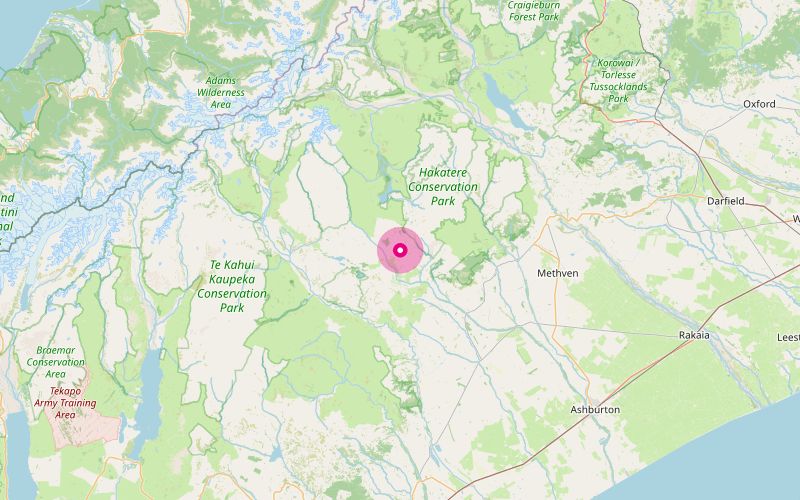
## South Island at a glance The South Island is not an appellation in the regulatory sense, but the broad geographical ensemble that brings together most of the wine regions in the southern half of New Zealand. It notably includes Marlborough, Nelson, North Canterbury, Waitaki Valley, and Central Otago, along with more confidential areas such as Canterbury Plains. This island produces the bulk of New Zealand wine, with a strong dominance of whites, particularly Sauvignon Blanc, and a growing role for reds based on Pinot Noir. The legal recognition of wines here is expressed mainly through modern New Zealand geographical indications, while its commercial reputation began taking shape at the end of the 20th century, driven by Marlborough.
Today, the South Island constitutes the matrix of New Zealand wine for export. Marlborough alone accounts for a very large share of the national vineyard, which explains the almost automatic association between New Zealand and Sauvignon Blanc. That image is reductive, however, because the South Island is also home to some of the country’s most accomplished Pinot Noirs, as well as high-quality Rieslings, Chardonnays, Pinot Gris, and sparkling wines. Together they form a coherent wine landscape through their cool climate, yet one that is diverse in its relief, soils, and diurnal temperature swings.
## Terroir and geology The physical framework of the South Island is structured by the Southern Alps, a mountain chain that shapes both valley drainage, wind patterns, and the rain shadow effect. To the east of this barrier, many winegrowing areas benefit from relative dryness compared with the much wetter western seaboard. Vineyards are planted mainly on alluvial plains, river terraces, well-drained slopes, and a few intermontane basins. This topographical diversity explains the local specialization of grape varieties and styles.
Marlborough rests largely on the alluvial systems of the Wairau, Awatere, and Southern Valleys. Here one finds gravel, pebbles, sand, silt, and clay in varying proportions, with soils that are often poor to moderately fertile, well suited to precision viticulture. Gravelly parcels favor clean ripening and more taut profiles, while clay sectors can yield more volume and texture, particularly for Pinot Noir and certain more ambitiously vinified Sauvignon Blancs. Intra-regional heterogeneity is a major agronomic reality here.
Nelson, to the northwest, likewise presents a range of alluvial, gravelly, and silty-clay soils, with slopes and plains offering varied exposures. North Canterbury and Waipara Valley are marked by limestone, clay, and gravel formations particularly well suited to Pinot Noir and Chardonnay. In Waitaki Valley, limestone soils and subsoils are among the country’s clearest singularities, bringing a register that is often more mineral and more austere. Central Otago, finally, stands out for weathered metamorphic schist, loess, and alluvium, in a dry continental environment where water stress and solar radiation play a decisive role.
## Climate The common thread among South Island vineyards is a broadly cool to cool-temperate climate, with a more or less marked maritime influence depending on distance from the sea and topographical shelter. Sunshine is often abundant, allowing good ripening despite moderate temperatures. Cool, sometimes cold nights help preserve acidity and aromatic definition. This combination of intense light and freshness is one of the island’s most consistent wine signatures.
Marlborough illustrates a dry, windy, and bright climate, with notable diurnal swings at harvest time. These conditions help explain the signature of local Sauvignon Blanc, built on expressive aromas, incisive acidity, and ripeness that is rarely heavy. Winds limit fungal disease pressure, but can also restrain vegetative vigor and influence yields. Frost risks exist in spring and autumn, as in several southern regions of the country.
Farther south, Central Otago is New Zealand’s most continental wine region. Winters are cold, summers warm without excess, and daily temperature ranges marked, which favors the slow ripening of Pinot Noir while preserving its tension. Relatively low rainfall often requires careful water management. In Canterbury and Waitaki Valley, the climate remains cool, sometimes more austere, with more restrained ripeness that suits chiseled styles of Chardonnay, Riesling, and Pinot Noir.
## Grape varieties Sauvignon Blanc remains the emblematic grape variety of the South Island, and more specifically of Marlborough, where it has acquired a global identity. It produces wines dominated by citrus, fresh tropical fruit, boxwood, tomato leaf, and passion fruit, depending on site and winemaking choices. Pinot Noir is the island’s other qualitative pillar, particularly in Central Otago, North Canterbury, and Marlborough, with expressions ranging from crunchy fruit to darker, spicier profiles. These two varieties shape the international image of South Island viticulture.
Among the other important varieties, Chardonnay holds a serious place, especially in cool areas where it can combine tension, ripe citrus, and well-integrated élevage. Pinot Gris has established itself durably across several regions, with styles ranging from dry freshness to broader textures. Riesling performs particularly well in the coolest and windiest sectors, yielding both dry and off-dry versions, and even botrytized wines depending on vintage and site. One also encounters Gewurztraminer, Grüner Veltliner, Pinot Blanc, and more marginally red varieties such as Syrah or Tempranillo, but they remain secondary on the scale of the island.
New Zealand does not rely on blending rules comparable to those of many European appellations. Wines are most often labeled by grape variety, subject to the national labeling rules in force, and the commercial logic favors varietal clarity. That does not prevent the existence of single-vineyard cuvées, valley selections, or wines from clearly claimed sub-regions. On the South Island, the underlying trend is toward a more precise expression of origin, without giving up the grape-region clarity that made the country successful.
## Wine styles Whites dominate widely and cover a broader spectrum than a purely aromatic reading would suggest. Sauvignon Blanc exists in a classic version, fermented at low temperature in stainless steel tanks to preserve its varietal brightness, but also in more textured versions, sometimes partially aged in barrel or on lees. These more structured cuvées seek depth rather than exuberance. Riesling, Chardonnay, and Pinot Gris complete the range with profiles that are often precise, saline, and taut.
Pinot Noir represents the great red style of the South Island. In Marlborough, it can offer clear fruit, supple tannins, and relatively early approachability. In North Canterbury and Waitaki Valley, it often gains structure and restraint. In Central Otago, it reaches a particular intensity, with black and red fruits, notes of dried herbs, spice, sometimes graphite, and an acidic framework that supports the whole.
Barrel aging is common for ageworthy cuvées of Chardonnay and Pinot Noir, but the level of oak sought tends to remain measured in the best interpretations. The most useful indications for the reader are less official classifications than the names of sub-regions or valleys, such as Wairau Valley, Awatere Valley, Gibbston, Bannockburn, or Bendigo. In terms of aging potential, entry-level Sauvignon Blancs are intended for early drinking, while the best examples of Chardonnay, Riesling, and Pinot Noir can develop favorably over several years. Certain ambitious cuvées of Sauvignon Blanc also support medium-term aging, gaining complexity and texture over time.
## Producers to follow - Cloudy Bay, Marlborough: a pioneering estate in the international recognition of New Zealand Sauvignon Blanc, also strong in Chardonnay and Pinot Noir. - Dog Point Vineyard, Marlborough: a benchmark for more structured Sauvignon Blancs, including certain cuvées fermented or aged in barrel, and for serious Pinot Noirs. - Greywacke, Marlborough: a producer recognized for the precision of its Sauvignon Blancs and the quality of its lees-aged or more ambitiously raised cuvées. - Felton Road, Central Otago: one of the major names in New Zealand Pinot Noir, with a clearly identified single-parcel and biodynamic approach. - Rippon, Central Otago: a historic Wanaka estate, renowned for its strongly expressive Pinot Noirs and its attentive vineyard work. - Pegasus Bay, North Canterbury: a complete and consistent producer, particularly esteemed for Riesling, Chardonnay, and Pinot Noir.
## Food and wine pairings Marlborough Sauvignon Blanc works well with oysters, clams, or a white fish ceviche. Its acidity and citrus notes respond effectively to iodine and the freshness of raw preparations.
A Chardonnay from North Canterbury or Waitaki Valley pairs precisely with roast poultry, turbot in a light sauce, or seared scallops. The wine’s texture and natural tension support delicate dishes without weighing them down.
An off-dry Riesling from the South Island suits moderately spicy Thai cuisine, a mild curry, or dishes combining ginger, lemongrass, and coriander. The slight residual sugar offsets chili heat and highlights aromatic herbs.
A Pinot Noir from Central Otago pairs convincingly with roast duck, pigeon, veal fillet, or sautéed mushrooms. The finesse of the tannins and the acidity allow pairings with meats that are not overly fibrous and with silky textures.
More evolved or oaked versions of Sauvignon Blanc find their place with grilled fish, roast monkfish, or aged goat cheeses. The added mid-palate volume and lees- or barrel-derived notes provide greater gastronomic latitude.
## FAQ ### Is the South Island an official appellation? No. It is a geographical and winegrowing ensemble bringing together several recognized regions, rather than a single appellation in the strict sense. Wines are generally marketed under the name of their region or specific geographical indication.
### Why is Marlborough so important? Marlborough accounts for a very large share of New Zealand’s vineyard area and shaped the country’s international image through Sauvignon Blanc. Its success rests on a rare combination of light, freshness, relative dryness, and well-drained alluvial soils.
### What is the best red grape variety on the South Island? Pinot Noir is clearly the benchmark red variety. It reaches its most complete expressions in Central Otago and North Canterbury, while also delivering good results in Marlborough.
### Are South Island wines only aromatic and meant to be drunk young? No. That perception comes mainly from widely distributed Sauvignon Blancs. The best Pinot Noirs, Chardonnays, Rieslings, and certain élevage-driven Sauvignon Blancs offer real aging potential.
### What is the difference between Marlborough and Central Otago? Marlborough is associated above all with whites, especially Sauvignon Blanc, in a dry and very bright maritime setting. Central Otago is more continental, farther south, and more focused on Pinot Noir, with more pronounced temperature swings.