North Island: New Zealand’s Viticultural Mosaic
From Gisborne to Martinborough, the North Island brings together contrasting climates and soils. This diversity explains a range of styles spanning from ripe chardonnay to taut syrahs.
geoVINUM · 2026-11-04
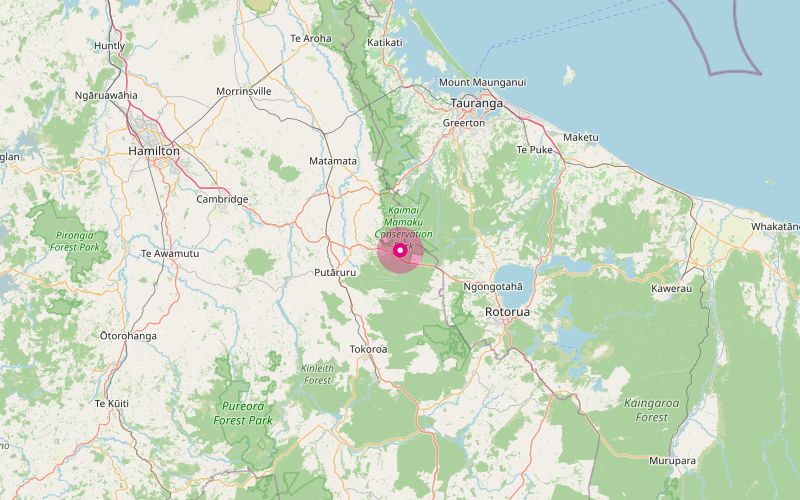
## North Island in brief The North Island, or North Island, encompasses several of New Zealand’s historic wine regions, from Northland in the north to Wairarapa in the south. It is not a single appellation in the European sense, but a broad geographical ensemble grouping several officially registered geographical indications, including Auckland, Gisborne, Hawke’s Bay and Wairarapa. Production covers all wine colours, with an important place for chardonnay and sauvignon blanc whites, as well as merlot, cabernet sauvignon, syrah and pinot noir reds depending on the area. Exact volumes change regularly, but Hawke’s Bay remains one of the country’s major winegrowing centres, while Gisborne continues to be a benchmark for chardonnay.
## Terroir and geology The North Island vineyard does not follow a single soil identity; it functions instead as a collection of distinct winegrowing basins. Its geology is shaped by recent alluvial deposits, gravel terraces, clay hills and, locally, limestone or volcanic formations. This diversity explains very different vine behaviour from one region to another, both in terms of vigour, water retention and earliness.
In Gisborne, on the eastern coast, the alluvial plains and hillsides offer silts, clays and relatively fertile fluvial deposits. These soils favour healthy yields if vine management is not tightly controlled, but they also make it possible to produce ample chardonnays and ripe pinot gris. Better-ventilated sectors and better-drained slopes deliver tauter expressions, with acidity better preserved.
Hawke’s Bay likely presents the most internationally legible soil palette. The Gimblett Gravels, formed by an old riverbed, rest on very free-draining stones that naturally limit vigour and favour concentration. Other sub-zones, such as Bridge Pa Triangle or the higher slopes toward Havelock North, combine gravel, silt, clay and sometimes limestone influences, allowing for fine segmentation of grape varieties and styles.
In Wairarapa, and more particularly around Martinborough, the stony alluvial terraces formed by the Ruamahanga River are essential. The soils there are poor, gravelly and well drained, often with only a thin layer of silt or clay. This combination, together with a cooler, windier climate, favours moderate yields and slow ripening, particularly suited to pinot noir and aromatic whites.
The island also includes more northerly sectors, such as Northland and Auckland, where clay soils, weathered sandstones and, on certain islands in the Hauraki Gulf, volcanic materials can be found. Waiheke Island, attached to the Auckland region, illustrates this geological singularity well, with well-exposed slopes and poor soils favourable to Bordeaux-style reds and syrah. The interest of the North Island therefore lies less in a homogeneous terroir than in its ability to produce clearly defined regional identities over short distances.
## Climate The North Island broadly falls under a temperate maritime climate, but this general observation conceals strong nuances. Latitude, wind exposure, proximity to the sea and topography all significantly alter available heat accumulation and disease pressure. The northern regions are warmer and more humid, while the southern sectors gain freshness and greater diurnal range.
Northland and Auckland experience some of the warmest conditions in the country, with relatively long growing seasons. This mildness helps late-ripening grape varieties to mature, but humidity and rain at the wrong moment can increase the risks of unwanted botrytis, downy mildew and sour rot. Canopy management, yield control and the choice of well-ventilated sites are decisive here.
Gisborne is sunny and fairly warm, while remaining under oceanic influence. The region is exposed to rainy episodes and humidity, which can complicate the end of the season for compact-clustered or late-ripening varieties. In the best sites, however, abundant sunshine allows for consistent ripeness and open, fruity profiles, especially for chardonnay.
Hawke’s Bay benefits from a drier, more stable climate than many other parts of the North Island. The gravel terraces in particular warm quickly in spring and contribute to good phenolic ripeness in reds. This combination explains the region’s standing for Bordeaux-style blends and syrah, while still allowing ageworthy whites from cooler sites.
Wairarapa, and Martinborough in particular, lies in a cooler, windier and more contrasted area. The winds reduce fungal disease pressure and sometimes thicken skins, which is useful for pinot noir. Cooler nights help preserve acidity and aromatic precision, giving wines that are more taut than those from the north of the island.
## Grape varieties Chardonnay remains a major grape variety on the North Island, especially in Gisborne and Hawke’s Bay. It can produce both tank wines with direct fruit and versions fermented or aged in barrel, with bâtonnage and partial or full malolactic fermentation depending on the style sought. In the best sites, it combines ripe stone fruit, texture and sufficient acidity for ageing.
Sauvignon blanc is widely planted, but it does not everywhere play the defining role it has on the South Island. In Hawke’s Bay and parts of Wairarapa, it gives profiles less explosive than in Marlborough, often more finely herbal, more lemony or more textured. Pinot gris, riesling, gewurztraminer and viognier also play a supporting role, sometimes an important one depending on the producer.
For reds, Hawke’s Bay is the centre of gravity, with merlot, cabernet sauvignon, cabernet franc and syrah. Merlot often enters into Bordeaux-inspired blends there, with cabernet sauvignon bringing structure and length in favourable vintages. Syrah, well suited to certain warm yet ventilated sites, produces peppery, floral and energetic wines, distinct from the richer expressions of genuinely hot climates.
Pinot noir is especially established in Wairarapa, notably around Martinborough, where it reaches a fine, earthy expression. It is also found in other cool zones of the island, but it is in the south that it finds its most consistent benchmarks. There are no particular blending rules across the North Island comparable to the specifications of European appellations; the framework instead comes under New Zealand law on labelling, origin and vintage.
## Wine styles Dry whites account for a large share of the quality production. Chardonnays range from supple, ripe styles marked by yellow citrus, peach and sometimes a nutty touch from élevage, to more taut, saline and discreetly oaked versions. Sauvignon blancs are often more restrained and more textured than their most demonstrative counterparts from the south of the country.
Aromatic whites, notably pinot gris, riesling and gewurztraminer, may be vinified dry, off-dry or with slight residual sweetness depending on ripeness and the estate’s philosophy. Pinot gris frequently gives generous textures, while riesling retains a firmer acidic backbone in cool sectors. A few medium-sweet wines exist, but they remain secondary on the scale of the island.
The reds of Hawke’s Bay form one of New Zealand’s most serious poles for Bordeaux blends. The best combine sufficient ripeness, polished tannins and freshness on the palate, without seeking over-concentration. Syrah performs particularly well here in a register of fresh black fruit, violet, pepper and sometimes olive, with a more slender than massive structure.
Martinborough pinot noir stands out for its tension, fine tannic frame and notes of cherry, red plum, sweet spices and undergrowth with age. Barrel ageing, often measured, aims more for complexity than for a marked woody imprint. The best wines of the North Island, whether white or red, possess real ageing potential, often five to ten years, and more for certain cuvées of syrah, cabernet-merlot, chardonnay and pinot noir.
## Producers to watch - Te Mata Estate, Hawke’s Bay: historic estate, benchmark for Bordeaux blends, syrah and high-calibre whites. - Craggy Range, Hawke’s Bay / Martinborough: parcel-level precision, Hawke’s Bay syrah and Martinborough pinot noir with a clear profile. - Trinity Hill, Hawke’s Bay: recognised work on the Gimblett Gravels, with structured reds and balanced syrahs. - Kumeu River, Auckland: an essential name for New Zealand chardonnay, with a fine reading of the Kumeu terroirs. - Ata Rangi, Martinborough: emblematic pinot noir producer, consistent in taut, detailed styles. - Millton Vineyards & Winery, Gisborne: an important pioneer in Gisborne, renowned for its chardonnays and its long-standing commitment to organic viticulture.
## Food and wine pairings - Gisborne or Kumeu chardonnay with roast chicken, morel sauce and baby potatoes. - Hawke’s Bay syrah with duck breast, roasted beetroot and pepper reduction. - Hawke’s Bay merlot-cabernet blend with grilled rib steak and sautéed mushrooms. - Martinborough pinot noir with pink veal fillet, glazed carrots and a short jus. - Wairarapa sauvignon blanc with warm oysters, lemon butter and fine herbs. - North Island pinot gris with moderately spiced Thai cuisine featuring prawns and coconut milk.
## FAQ ### Is the North Island an official appellation? No. The North Island refers to a broad winegrowing geographical ensemble that includes several recognised geographical indications in New Zealand, but it is not a single appellation covering the whole island.
### Which is the flagship region for reds on the North Island? Hawke’s Bay is the most solid reference for structured reds, notably Bordeaux-style blends and syrah. Its relatively dry climate and well-drained gravels play a central role there.
### Where are the best pinot noirs of the North Island found? The most consistent benchmarks come from Wairarapa, particularly Martinborough. The cooler climate, winds and gravelly soils favour fine, long-lined wines.
### Is Gisborne mainly a white wine region? Yes. In market perception as in the region’s recent history, Gisborne is chiefly associated with whites, especially chardonnay. Its warm, sunny climate allows clear ripeness, provided vigour and harvest timing are well managed.
### What style of syrah should be expected from the North Island? North Island syrah, especially in Hawke’s Bay, generally shows a peppery, floral and fresh profile, closer to a slender expression than a very sun-driven style. The best examples combine clean fruit, fine tannin and good ageing capacity.