Anjou Villages, Anjou’s Red Put to the Test of Time
A red appellation of Anjou, Anjou Villages is built on the cabernets and schist terroirs. It produces structured, fresh wines with real aging potential.
geoVINUM · 2026-11-03
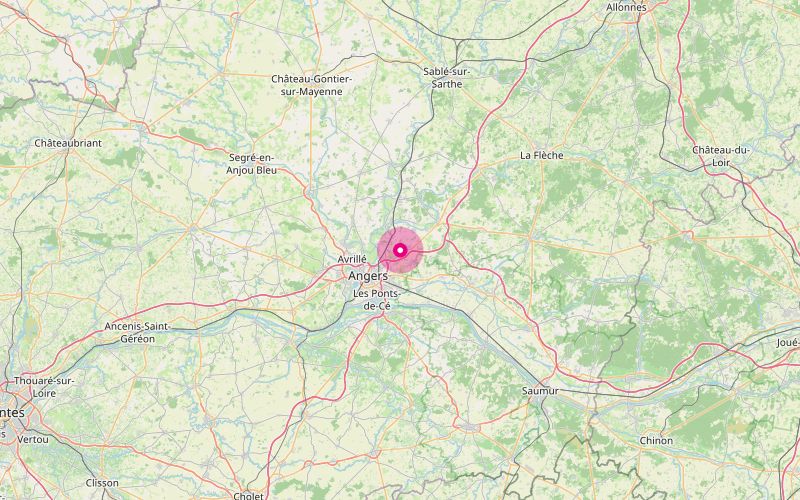
## Anjou Villages at a Glance Anjou Villages is a controlled designation of origin in the Loire Valley, located in the Anjou vineyard area, around Angers and on both the left and right banks of the Loire depending on the delimited communes. It is reserved for still red wines made from the cabernets, within a regulatory framework more demanding than that of the Anjou rouge appellation. The appellation was recognized in the 20th century and today forms part of the Loire Valley’s AOCs, with production that is relatively scattered depending on vintage and estate. Its identity rests on reds of medium to fairly full structure, marked by Loire freshness and genuine aging capacity.
## Terroir and Geology The Anjou Villages area stretches across a mosaic of slopes and vineyard plateaus where geology plays a determining role in vine behavior. The vineyard belongs largely to the Armorican Massif, which sets it apart from more calcareous Loire sectors. Schist, slate schist, sandstone, phtanite, spilite, and a few more clay-rich outcrops make up a landscape of complex soils, often shallow and well drained.
Schist is one of the appellation’s most consistent signatures. It encourages deep rooting when the fissuring of the rock allows it, while limiting excessive vigor. This combination is particularly well suited to the cabernets, grape varieties that do poorly in overly fertile settings and here yield more concentrated fruit without losing their natural tension.
Topography helps differentiate expressions. Well-exposed slopes speed up phenolic ripening and reduce risks linked to humidity, while flatter areas and lower slopes produce softer profiles, sometimes less dense. In the best sectors, the synthesis of slope, drainage, and low fertility makes it possible to obtain more complete reds, capable of combining fruit, length, and tannic structure.
The appellation should not be reduced to a uniform terroir. From one commune to another, the proportion of schist, clay, or weathered materials alters water retention and ripening kinetics. This diversity explains the range of styles observed, from straight, energetic wines to fleshier versions, sometimes aged to emphasize their volume.
## Climate Anjou Villages falls under a temperate Loire climate with oceanic influence, but with a drier and more continental nuance than in sectors closer to the Atlantic. The Loire and its tributaries play a role as thermal regulators, limiting certain extremes of both cold and heat. This moderation favors gradual ripening, essential for the cabernets, which are late-ripening varieties that require a stable late season.
The Anjou vineyard benefits from relative mildness, but the success of its reds depends heavily on vintage quality. In cool or wet years, cabernet franc can retain a marked vegetal character if yields have not been controlled. By contrast, sunnier vintages produce riper wines, with more polished tannins and darker fruit, while preserving a fresh framework.
Rainfall, without being low, is often better distributed and sometimes a little less abundant than in other sectors of western France thanks to a form of relative shelter. This situation limits certain fungal pressures, even if downy mildew and powdery mildew remain regular concerns. Ventilation on the slopes and the choice of exposures therefore remain decisive in vineyard management.
Climate change is gradually altering historical balances. Ripening is more regular than it once was, and cabernet-sauvignon finds its place more easily in blends from well-exposed sites. In return, preserving freshness, drinkability, and moderate alcohol levels is becoming a central focus of both viticultural and winemaking work.
## Grape Varieties The appellation is based on two red grape varieties: cabernet franc and cabernet-sauvignon. The first has historically been the most obvious foundation in Anjou, where it expresses notes of red fruit, violet, spices, and sometimes graphite. The second more readily contributes color, tannic density, structure, and aromas ranging from blackcurrant to cedar when fully ripe.
In practice, the wines may come from one or the other, or from a blend of the two depending on the producer’s choice and the vintage profile. Cabernet franc often provides the aromatic backbone and freshness on the palate. Cabernet-sauvignon frequently acts as a structural lever, especially in sunnier years or on terroirs particularly favorable to its ripening.
The specifications govern varietal composition, and the spirit of the appellation remains clearly centered on the cabernets. Anjou Villages therefore does not follow the broad blending logic of some other French red appellations. This specialization gives it welcome clarity, but it also requires great precision in viticulture to avoid tannic hardness and varietal greenness.
The choice of plant material, harvest date, and extraction in the cellar is decisive. On schist, cabernet franc can gain seriousness without losing its nerviness, provided full ripeness of skins and seeds is achieved. Cabernet-sauvignon, more demanding, requires the best-exposed sites; when fully ripe, it brings unquestionable aging potential.
## Wine Styles Anjou Villages produces exclusively still red wines. The expected style is neither that of a light red to drink very young, nor that of a demonstrative wine dominated by oak. The appellation aims for structured, clear-cut, balanced reds, whose substance rests on present tannins that are meant to mellow with a few years in bottle.
In youth, the wines often show a deep color and a nose of redcurrant, cherry, blackberry, or blackcurrant, sometimes complemented by floral, peppery, or slightly vegetal notes depending on the dominant grape variety and ripeness. The palate is marked by perceptible acidity, a Loire signature, which lengthens the wine and distinguishes it from more southerly reds. When extraction is well managed, this freshness supports the fruit without thinning the texture.
Aging is most often carried out in tank, large casks, or barrels depending on the ambition of the cuvées and the estate’s philosophy. New oak is not a stylistic necessity; it can even harden the profile if it masks the frankness of cabernet. The best producers seek the settling of tannins and the stability of the wine more than the aromatic imprint of élevage.
With time, Anjou Villages evolves toward more complex registers of undergrowth, blond tobacco, humus, dried spices, and softened black fruit. The most serious cuvées gain in cohesion after five to eight years, sometimes more in great vintages. Aging potential, however, depends heavily on terroir, yield, ripeness, and precision in winemaking; not every bottle is meant for long cellaring.
Anjou Villages should not be confused with the Anjou-Villages Brissac appellation, which is geographically more limited and often associated with even more structured reds. Anjou Villages occupies an interesting middle ground: more selective than Anjou rouge, yet diverse enough to offer several interpretations of Anjou cabernet. This flexibility explains the growing interest shown in the appellation by lovers of Loire reds with reasonable aging potential.
## Producers to Watch - Château de Plaisance : a benchmark estate in Anjou, now farmed organically and biodynamically, with precise reds that show the ability of Anjou schists to carry taut cabernets. - Domaine des Roches Neuves : the Germain family has contributed significantly to the recognition of Saumur and Anjou reds; certain cuvées illustrate a refined reading of Loire cabernet. - Château Soucherie : an important Anjou property attentive to parcel-based expression, with polished reds that emphasize freshness and balance rather than power. - Domaine Ogereau : based in Saint-Lambert-du-Lattay, this estate delivers accurate, consistent wines in a clean style that respects varietal definition and drinkability. - Domaine Patrick Baudouin : best known for its whites and sweet wines, the estate has also shown, depending on cuvée and vintage, notable rigor in expressing Anjou terroirs. - Château de Fesles : a historic Anjou producer, recognized for its various wines, with the ability to offer classic, structured reds suited to table cuisine.
## Food and Wine Pairings Anjou Villages calls for cuisine with texture and relief rather than overly spicy dishes. Its natural freshness allows precise pairings with roasted meats, reduced sauces, and certain aged cheeses. It often benefits from being served slightly cool, especially in youth, in order to better manage the perception of tannin.
- Roasted duck breast, reduced shallot jus : the fat and density of the duck match the structure of the cabernets, while the wine’s acidity prevents any heaviness.
- Rack of lamb with herbs : the noble herbal notes of cabernet franc dialogue with thyme, rosemary, and the fine flesh of lamb.
- Braised beef with carrots and onions : a coherent pairing for cuvées with a few years of age, where the wine’s patina accompanies slow-cooked flavors.
- Roast guinea fowl with mushrooms : the wine’s tension supports the poultry, and the aromatic evolution of a mature bottle echoes the dish’s woodland notes.
- Rillons or crispy pork belly : a relevant regional pairing if the wine retains enough freshness to balance the fat.
- Aged ewe’s milk tomme or semi-mature Cantal : firm, not overly aggressive cheeses help respect the tannic structure without hardening the finish.
## FAQ ### What is the difference between Anjou rouge and Anjou Villages? Anjou Villages corresponds to a more demanding selection within Anjou reds. The appellation aims for more structured wines, made under stricter production conditions and more clearly intended for aging.
### Is Anjou Villages always a blended wine? No, even though blends of cabernet franc and cabernet-sauvignon are common. Depending on the estate’s choices and the vintage, a wine may clearly place one of the two grape varieties in the foreground.
### Should you decant an Anjou Villages? Yes, often, especially for a young bottle or one from a concentrated vintage. An hour of aeration can soften the tannins and clarify the fruit, without requiring systematic decanting for more evolved wines.
### At what temperature should Anjou Villages be served? A range of around 15 to 17 °C generally works well. Too high a temperature accentuates alcohol and tannic hardness, while slightly cool service highlights the clarity of the fruit and tension on the palate.
### How long can an Anjou Villages age? Straightforward cuvées drink well within three to five years. The best bottles, from low yields, fine terroirs, and fully successful vintages, can evolve favorably for eight to twelve years, sometimes longer.